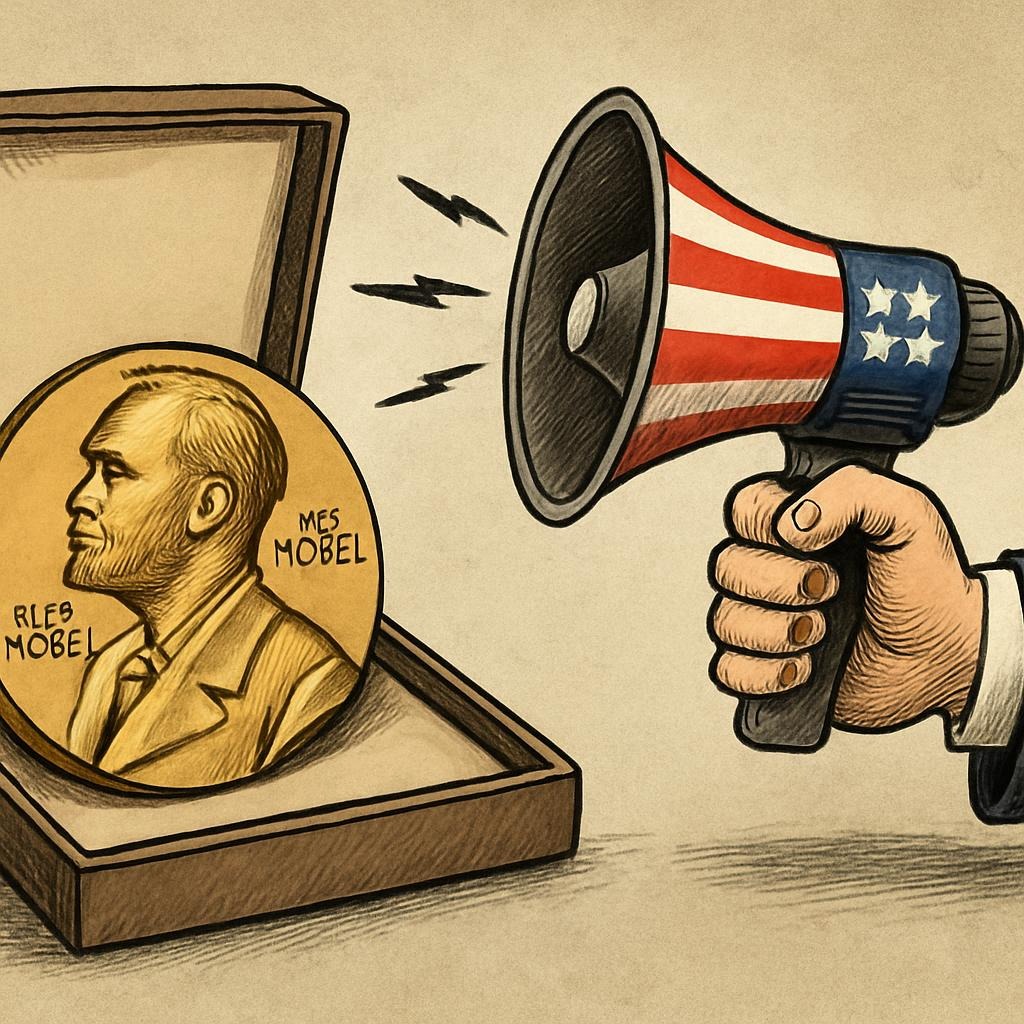
The Nobel Peace Prize is unavoidably political, yet remains a powerful symbolic instrument for shaping global norms
The selection process & structural politics
1. Parliament appointment and perceived neutrality
Because the Norwegian Parliament (Storting) appoints the five‑member Nobel Committee and its composition mirrors party strength in parliament, the prize is structurally anchored in Norwegian domestic politics rather than in a neutral international body. NobelPrize.org Nobel Peace Prize This fuels perceptions that the prize reflects Norwegian and broadly Western political preferences instead of a detached, technocratic judgment, even though the committee is formally independent from the government and operates through its own institute. NobelPrize.org Britannica
Source: https://www.nobelprize.org/prizes/about/the-norwegian-nobel-committee/ NobelPrize.org
2. Domestic political interests and choices
The requirement that the committee’s composition reflects the relative strength of political parties in the Storting creates an inbuilt link between domestic political currents and the interpretation of “peace” and relevant causes. NobelPrize.org Nobel Peace Prize While no party can dictate outcomes, critics argue that long‑term Norwegian priorities—such as support for liberal democracy, multilateralism, and human rights—tend to be overrepresented in laureate selection, especially when controversial political figures are chosen. 조선일보
Source: https://www.nobelpeaceprize.org/nobel-committee/ Nobel Peace Prize
3. Should the committee include more international experts?
Nobel’s will explicitly states that the Peace Prize should be awarded by a committee of five persons elected by the Norwegian Storting, which is why the committee has historically consisted only of Norwegian nationals. Nobel Peace Prize Including international experts would likely broaden perspectives and mitigate perceptions of national bias, but it would require reinterpreting or formally revising the implementation of Nobel’s will and the Storting’s rules, which currently embed Norwegian control in the statute design. Nobel Peace Prize NobelPrize.org
Source: https://www.nobelpeaceprize.org/nobel-committee/ Nobel Peace Prize
4. 50‑year secrecy rule and integrity
The Peace Prize follows the general Nobel rule that nominations and internal deliberations are kept secret for 50 years, with the Nobel Institute holding the archives. Wikipedia This protects nominators and committee members from short‑term political pressure and lobbying, but it also hinders real‑time accountability by making it impossible to scrutinize the reasoning behind controversial awards until long after their political consequences have played out. Wikipedia
Source: https://en.wikipedia.org/wiki/Nobel_Peace_Prize Wikipedia
5. Is the Peace Prize inherently more political?
Unlike physics or chemistry, where there is relatively clear disciplinary consensus, “peace” has no universally accepted definition; Nobel’s will mentions “fraternity between nations,” disarmament, and peace congresses but not the full range of modern concerns such as human rights or the environment. Wikipedia This conceptual openness makes the Peace Prize uniquely exposed to political interpretation, since almost any conflict‑related, humanitarian, or governance agenda can be framed as “peace,” giving the committee wide latitude to make inherently political judgments about which struggles to elevate. Wikipedia
Source: https://en.wikipedia.org/wiki/Nobel_Peace_Prize Wikipedia
6. Balancing Nobel’s will with modern peace norms
Nobel’s will places clear emphasis on disarmament and international fraternity, but the Peace Prize has gradually expanded to include human rights, democracy, development, and climate as foundations of peace. Wikipedia The committee justifies this evolution by interpreting “peace” in a broad, dynamic way, so awards to human rights defenders, civil society, and environmental activists are framed as preventing conflict and promoting structural peace even when disarmament is not central. Wikipedia
Source: https://en.wikipedia.org/wiki/Nobel_Peace_Prize Wikipedia
Case studies & controversial laureates
7. 1973 Kissinger–Lê Đức Thọ: a turning point
The 1973 award to Henry Kissinger and Lê Đức Thọ for the Vietnam peace negotiations became emblematic of the prize’s politicization because the war continued and Thọ refused the prize, saying peace had not been achieved. 조선일보 Wikipedia The controversy—heightened by ongoing violence and U.S. bombing—convinced many observers that the Nobel Committee was rewarding a superpower’s diplomacy rather than genuine peace, becoming a reference point for later critiques that the prize can legitimize contested political settlements. 조선일보
Source: https://www.chosun.com/english/world-en/2025/10/11/7BDWFS5ZIZGOHMDMEEWCXXLB7A/ 조선일보
8. 2009 Barack Obama: achievement or aspiration?
Barack Obama received the 2009 Peace Prize less than a year into his presidency “for his extraordinary efforts to strengthen international diplomacy and cooperation between peoples,” particularly on nuclear disarmament and multilateralism. Wikipedia Given the limited concrete achievements at that early stage, many analysts interpreted the award as an aspirational nudge to encourage a new U.S. foreign policy trajectory rather than a retrospective judgment of results, highlighting the committee’s willingness to use the prize as a strategic signal to a superpower. Wikipedia
Source: https://en.wikipedia.org/wiki/Nobel_Peace_Prize Wikipedia
9. 1994 Arafat, Peres, Rabin and unfinished peace
The 1994 prize honored Yasser Arafat, Shimon Peres, and Yitzhak Rabin for the Oslo Accords and efforts toward a peaceful solution to the Israeli–Palestinian conflict. Wikipedia As the peace process later stalled and violence returned, critics argued that the award illustrated the risk of canonizing fragile processes before they deliver durable settlements, potentially misjudging history and undermining the prize’s credibility when celebrated agreements unravel. Wikipedia
Source: https://en.wikipedia.org/wiki/Nobel_Peace_Prize Wikipedia
10. 2025 María Corina Machado and “regime change” debates
The 2025 Peace Prize for Venezuelan opposition leader María Corina Machado, cited for her non‑violent struggle for democracy and human rights, immediately provoked debate about whether the committee was aligning itself with Western narratives of regime change against Nicolás Maduro. 조선일보 Wikipedia Supporters saw it as backing democratic aspirations under authoritarianism, while critics in Latin America and beyond viewed it as the prize taking sides in a polarized internal power struggle that intersects with U.S. and European geopolitical interests. 조선일보 Wikipedia
Source: https://www.chosun.com/english/world-en/2025/10/11/7BDWFS5ZIZGOHMDMEEWCXXLB7A/ 조선일보
11. Aung San Suu Kyi and refusal to revoke
Aung San Suu Kyi received the Peace Prize in 1991 for her non‑violent struggle for democracy in Myanmar, but later faced intense criticism over her response to the Rohingya crisis. Wikipedia The Nobel institutions have consistently held that prizes are not revoked once awarded, emphasizing that the prize recognizes specific past contributions and that the statutes include no mechanism for withdrawal, even when a laureate’s later conduct appears to contradict the prize’s values. Wikipedia
Source: https://en.wikipedia.org/wiki/Nobel_Peace_Prize Wikipedia
12. 2012 European Union during the Eurozone crisis
The European Union was awarded the 2012 Peace Prize for its contribution to “the advancement of peace and reconciliation, democracy and human rights in Europe,” including its role in stabilizing a historically war‑torn continent. Wikipedia Given that the award came amid the Eurozone crisis and rising doubts about the EU’s future, many observers interpreted it as a political statement meant to bolster the European project’s legitimacy and cohesion at a moment of strain, not just a historical recognition. Wikipedia
Source: https://en.wikipedia.org/wiki/Nobel_Peace_Prize Wikipedia
Geopolitical bias & global perspectives
13. Western bias toward liberal democracy?
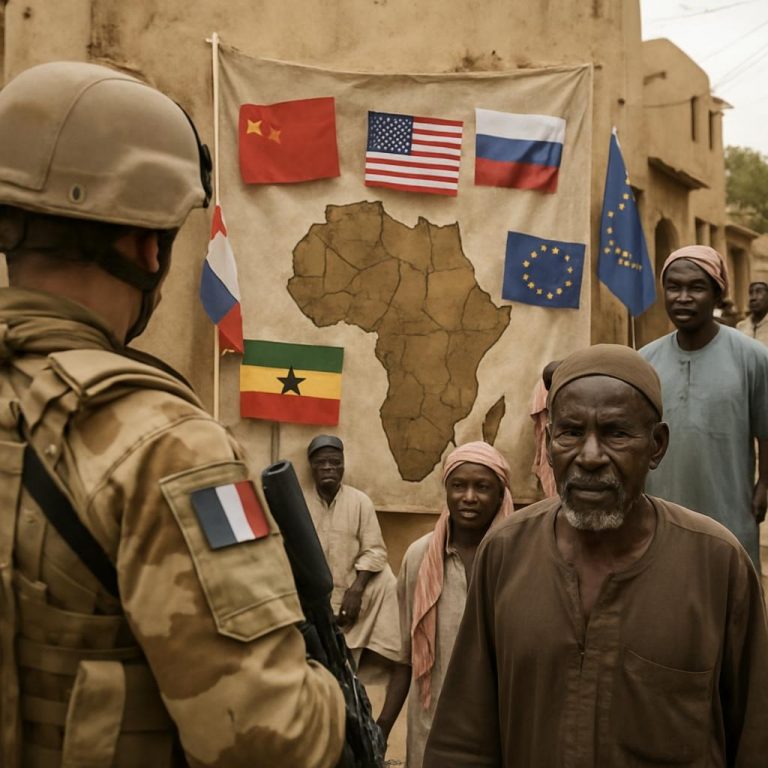
The Nobel Peace Prize is administered by a Norwegian committee, operates from Oslo, and has repeatedly honored promoters of liberal democracy, human rights, and market‑friendly reforms, especially in the post–Cold War period. Wikipedia Nobel Peace Prize This pattern, combined with the committee’s appointment by a Western parliament, feeds perceptions of a Western bias that favors actors aligned with liberal internationalist norms over alternative political models, even though laureates also include anti‑colonial and Global South figures. Wikipedia 조선일보
Source: https://www.nobelpeaceprize.org/nobel-committee/ Nobel Peace Prize
14. Underrepresentation of the Global South
Historically, a significant share of Peace Prizes has gone to Europeans, North Americans, and institutions headquartered in the Global North, while vast regions of Africa, Asia, and Latin America are comparatively underrepresented among laureates. Wikipedia Explanations include nomination networks concentrated in Western academia and NGOs, the committee’s Oslo‑centered perspective, and a tendency to valorize rights‑based and institutional frameworks more prevalent in Northern contexts, all of which can skew visibility away from many Global South peacebuilders. Wikipedia
Source: https://en.wikipedia.org/wiki/Nobel_Peace_Prize Wikipedia
15. Liu Xiaobo 2010 and China–West diplomacy
In 2010, Chinese dissident Liu Xiaobo received the Peace Prize for his “long and non‑violent struggle for fundamental human rights in China,” prompting strong condemnation from Beijing and diplomatic friction with Norway and other Western states. Wikipedia The award functioned as a symbolic challenge to China’s political model and as a rallying point for Western governments and NGOs on human rights, illustrating how the Peace Prize can operate as a soft‑power instrument in great‑power relations. Wikipedia
Source: https://en.wikipedia.org/wiki/Nobel_Peace_Prize Wikipedia
16. Alignment with NATO/Western security interests
Given Norway’s NATO membership and the committee’s Western institutional setting, critics argue that peace contributions diverging from Western security paradigms—such as anti‑NATO activism or alternative security architectures—rarely receive recognition. 조선일보 NobelPrize.org While the committee emphasizes universal principles like human rights and peaceful conflict resolution, its selections often align with actors and agendas broadly compatible with Western security and diplomatic frameworks, reinforcing perceptions of ideological selectivity. 조선일보
Source: https://www.chosun.com/english/world-en/2025/10/11/7BDWFS5ZIZGOHMDMEEWCXXLB7A/ 조선일보
17. Gandhi’s exclusion and moral authority
Mahatma Gandhi was nominated several times but never received the Peace Prize, a fact now acknowledged by Nobel officials and widely regarded as one of the committee’s most serious omissions. 조선일보 Wikipedia This absence has undermined the prize’s moral authority, especially in the Global South, because the quintessential global symbol of non‑violent struggle remains outside its pantheon while far more controversial political figures have been honored. 조선일보
Source: https://www.chosun.com/english/world-en/2025/10/11/7BDWFS5ZIZGOHMDMEEWCXXLB7A/ 조선일보
18. Rewarding soft power over hard conflict resolution
Many laureates are selected for norm‑setting, advocacy, institution building, and symbolic leadership—forms of “soft power”—rather than direct negotiation of ceasefires or peace treaties. Wikipedia This reflects an understanding of peace as a long‑term structural process, but it also means that the prize often elevates charismatic individuals and organizations that shape narratives more than those engaged in the messy transactional work of ending specific wars. Wikipedia
Source: https://en.wikipedia.org/wiki/Nobel_Peace_Prize Wikipedia
Impact & ethical dilemmas
19. Protective shield or bigger target?
Winning the Peace Prize can provide dissidents with international visibility, networks, and a degree of protection, as governments may fear the reputational cost of harsh repression against a laureate. Wikipedia Yet cases like Liu Xiaobo—who remained imprisoned after receiving the prize—show that the award can also harden a regime’s stance and make a dissident an even more prominent target, turning the prize into a double‑edged sword for personal safety. Wikipedia
Source: https://en.wikipedia.org/wiki/Nobel_Peace_Prize Wikipedia
20. Can the prize prolong conflict?
When the prize visibly legitimizes one side in a civil war or political struggle—such as by honoring a particular opposition movement or leadership—it can embolden that side’s demands and make compromise harder. At the same time, the opposing side may harden its position or crack down more severely, meaning that in some contexts the symbolic capital of the Nobel brand can unintentionally deepen polarization rather than accelerate settlement. 조선일보 Wikipedia
Source: https://www.chosun.com/english/world-en/2025/10/11/7BDWFS5ZIZGOHMDMEEWCXXLB7A/ 조선일보
21. Sitting heads of state and active militaries
Awards to sitting leaders—such as Obama, Rabin, or Peres—raise ethical questions because they command armed forces and may simultaneously preside over military operations and peace initiatives. Wikipedia Honoring them risks legitimizing their broader state power and can appear to excuse contentious policies, blurring the line between rewarding genuine peace efforts and endorsing a leader’s overall strategic posture. Wikipedia
Source: https://en.wikipedia.org/wiki/Nobel_Peace_Prize Wikipedia
22. Matthew Effect and high‑profile individuals
The “Matthew Effect” describes how well‑known actors accumulate more recognition; the Peace Prize often follows this pattern by focusing on prominent leaders, reformers, and famous organizations rather than lesser‑known grassroots groups. Wikipedia This amplifies already powerful voices and can marginalize local movements that lack media visibility, even when their on‑the‑ground contributions to peace are substantial. Wikipedia
Source: https://en.wikipedia.org/wiki/Nobel_Peace_Prize Wikipedia
23. Ceremony as performance
The Oslo ceremony—featuring speeches, concerts, and global media coverage—has become a ritualized spectacle that projects certain narratives about peace, democracy, and global order. Wikipedia As a result, critics argue that the performance of awarding the prize and the message it sends can overshadow sober evaluation of the laureate’s actual impact, turning the event into a form of normative theater. Wikipedia
Source: https://en.wikipedia.org/wiki/Nobel_Peace_Prize Wikipedia
24. Monetary value and financial politicization
The Peace Prize carries a substantial cash award—11 million SEK in 2023—which can significantly affect NGOs, movements, or individuals who receive it. Wikipedia While the money can strengthen peace work, it can also reshape internal dynamics, create competition among organizations, and politicize funding debates within civil society by tying prestige and financial resources to the committee’s contested choices. Wikipedia
Source: https://en.wikipedia.org/wiki/Nobel_Peace_Prize Wikipedia
Reform & the future of the prize
25. Should the prize be revocable?
Nobel statutes and practice make it clear that once a prize is awarded, it is not withdrawn, even in cases like Aung San Suu Kyi where later conduct provokes international outrage. Wikipedia Introducing revocation could align the prize more closely with ongoing ethical standards but would also politicize it further, as movements and states would likely lobby to strip adversaries of their awards whenever political fortunes shift. Wikipedia
Source: https://en.wikipedia.org/wiki/Nobel_Peace_Prize Wikipedia
26. Recognizing negative vs. positive peace
So far, the committee has implicitly recognized both “negative peace” (ending active conflict) and “positive peace” (building just structures), but without consistently labeling the distinction. Wikipedia Clearer criteria—e.g., separate emphasis on ceasefire/settlement achievements versus long‑term justice and institution building—could help the prize better signal what kind of peace it is honoring in each case and reduce confusion when highly aspirational or structural awards are made. Wikipedia
Source: https://en.wikipedia.org/wiki/Nobel_Peace_Prize Wikipedia
27. Can any international prize be apolitical?
Because the Peace Prize is administered by a national committee in a world of competing powers and ideologies, complete depoliticization is impossible. NobelPrize.org Nobel Peace Prize Any decision about who represents “peace” inevitably validates some visions of order and justice over others, meaning that the realistic goal is transparent, principled political judgment rather than an illusory neutrality. NobelPrize.org
Source: https://www.nobelprize.org/prizes/about/the-norwegian-nobel-committee/ NobelPrize.org
28. Limiting aspirational prizes
Backlash to awards such as Obama’s illustrates the cost of overly aspirational choices when subsequent developments disappoint expectations. Wikipedia While it may be impossible to codify a strict ban, the committee could adopt a strong presumption in favor of demonstrated achievements—requiring clear, measurable contributions to conflict reduction or structural peace—to limit the use of the prize as a speculative push on future behavior. Wikipedia
Source: https://en.wikipedia.org/wiki/Nobel_Peace_Prize Wikipedia
29. Digital activism and decentralized movements
The rise of digital activism means that online campaigns, whistleblowers, and decentralized networks can influence conflicts and authoritarian regimes without traditional hierarchical leadership. Wikipedia For the committee, this raises practical questions about whom to recognize—the individual figureheads, the platforms, or the movements themselves—and may push future prizes toward collective or movement‑based awards rather than singular “hero” narratives. Wikipedia
Source: https://en.wikipedia.org/wiki/Nobel_Peace_Prize Wikipedia
30. Would Alfred Nobel recognize the 2026 prize?
Alfred Nobel’s will emphasized disarmament and fraternity between nations, but he also left room for interpretation by not defining “peace” narrowly beyond those themes. Wikipedia Nobel Peace Prize He would likely recognize the Peace Prize’s core intent—promoting those who reduce war and injustice—while being surprised by how far the concept has expanded into human rights, democracy, and climate, and by the scale of its geopolitical symbolism in a multipolar world. Wikipedia
Source: https://en.wikipedia.org/wiki/Nobel_Peace_Prize Wikipedia
Keywords
- Keywords: Nobel Peace Prize, Norwegian Nobel Committee, Norwegian Parliament, political bias, Western bias, Global South, Alfred Nobel will, disarmament, human rights, environmental peace, Henry Kissinger, Lê Đức Thọ, Barack Obama, Yasser Arafat, Shimon Peres, Yitzhak Rabin, María Corina Machado, Aung San Suu Kyi, European Union, Liu Xiaobo, Mahatma Gandhi, regime change narratives, soft power, civil society, digital activism, Matthew Effect, prize revocation, aspirational awards, negative peace, positive peace, geopolitical symbolism
About the Author