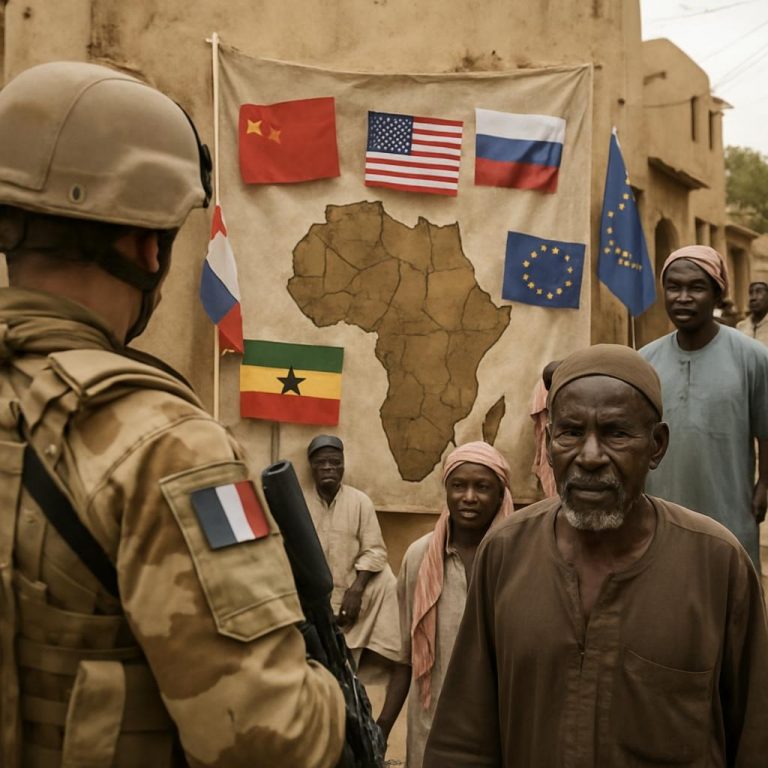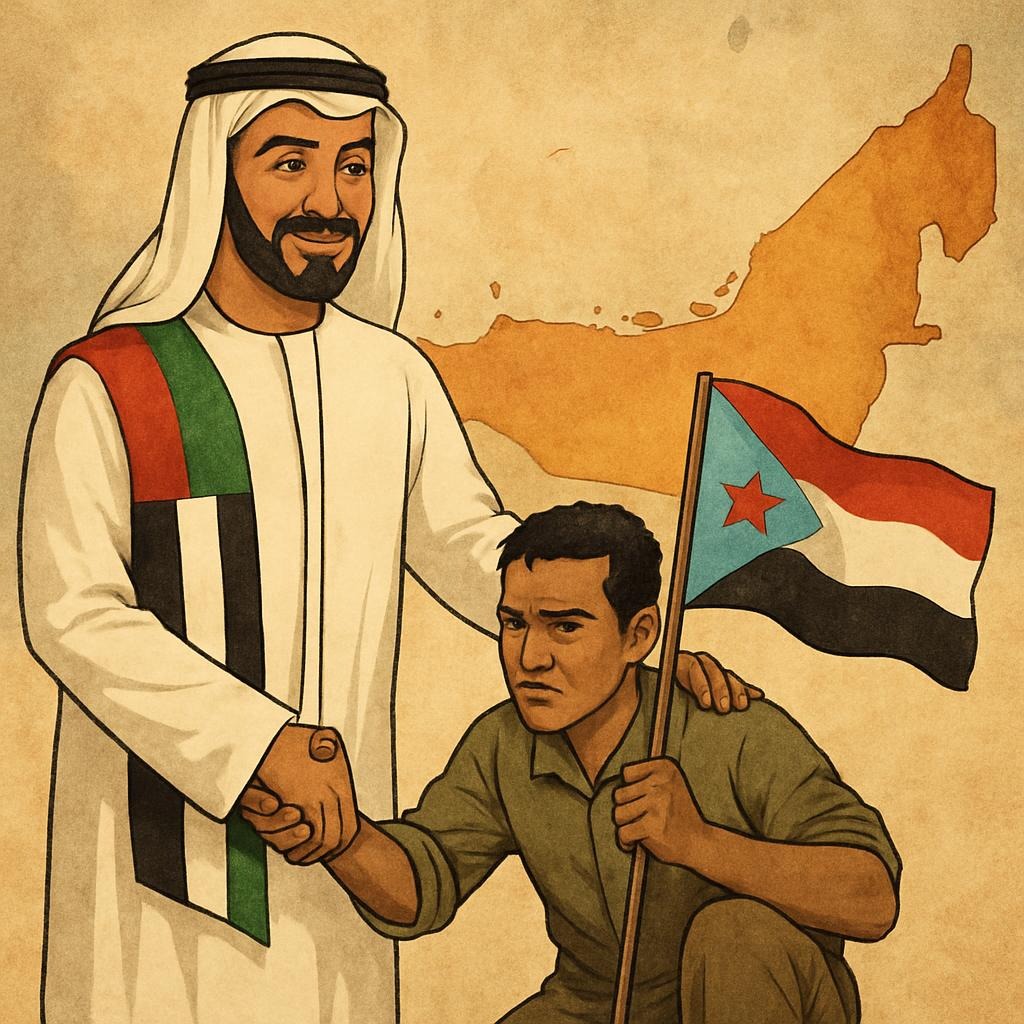
UAE’s fragmented statelets strategy behind its regional wars
Strategy and ideology
- Axis of secessionists concept and UAE strategy
The “axis of secessionists” describes the UAE’s pattern of backing breakaway entities and sub‑state actors—from South Yemen to eastern Libya and Somaliland—to build a sphere of influence that bypasses central governments and entrenches Emirati-aligned enclaves along key trade and energy routes. Martin Plaut
Source: How the UAE built its sphere of influence across the region Martin Plaut - Opposition to the Muslim Brotherhood and militia choices
The UAE’s existential hostility to the Muslim Brotherhood leads it to arm and fund militias and political actors that are explicitly anti‑Islamist—such as Haftar’s LNA in Libya and anti‑Islah forces in Yemen—prioritizing ideological alignment over formal state structures. Martin Plaut
Source: How the UAE built its sphere of influence across the region Martin Plaut - Straits diplomacy and foreign maritime presence
Through what can be called “straits diplomacy,” the UAE justifies bases, ports, and security agreements near chokepoints like Bab al‑Mandab and the Red Sea by framing them as contributions to anti‑piracy, counterterrorism, and freedom of navigation, while in practice securing leverage over global shipping lanes. Martin Plaut
Source: How the UAE built its sphere of influence across the region Martin Plaut - Why democratic/revolutionary movements are seen as threats
Democratic and revolutionary movements born of the Arab Spring are viewed by the UAE as existential threats because they could empower Islamist parties, weaken monarchies and ruling families, and inspire domestic demands for political participation that challenge its authoritarian model. Martin Plaut
Source: How the UAE built its sphere of influence across the region Martin Plaut - Global mediator image vs proxy warfare reality
While the UAE brands itself as a “global mediator” in forums like climate diplomacy and normalization deals, its simultaneous arming of militias in Yemen, Libya, and Sudan undercuts that image and reveals a dual track: soft‑power mediation abroad, hard‑power proxy warfare in contested states. Martin Plaut
Source: How the UAE built its sphere of influence across the region Martin Plaut
Yemen and the Southern Transitional Council (STC)
- STC’s role in the UAE’s post‑war Yemen vision
The STC functions as the UAE’s primary vehicle for shaping a post‑war Yemen into a de facto southern state aligned with Abu Dhabi, controlling ports, energy infrastructure, and coastal security while limiting the power of any unified, Islamist‑influenced central government. The Soufan Center Wikipedia
Source: UAE‑Backed Forces Expand Control in Southern Yemen The Soufan Center - Maintaining influence after 2019/2026 troop withdrawals
Despite formal withdrawals, the UAE has preserved influence in southern Yemen by training, arming, and financing STC and allied “elite forces,” embedding advisors, and controlling logistics and air support, allowing it to project power without large Emirati ground deployments. The Soufan Center Wikipedia
Source: 2025 Southern Yemen offensive Wikipedia - Strategic logic of the STC’s 2026 independence declaration
The STC’s 2026 independence move and new constitution can be read as an attempt to lock in battlefield gains, secure international bargaining power, and formalize a southern state structure that guarantees continued Emirati access to ports and energy corridors. The Soufan Center Wikipedia
Source: UAE‑Backed Forces Expand Control in Southern Yemen The Soufan Center - December 2025 Saudi airstrike on Emirati shipment in Mukalla
A Saudi airstrike on an Emirati weapons shipment in Mukalla would signal a serious rupture inside the anti‑Houthi coalition, reflecting Riyadh’s alarm at the STC’s expansion and at Abu Dhabi’s unilateral arming of southern factions that undermine Saudi‑backed central authorities. The Soufan Center Wikipedia
Source: 2025 Southern Yemen offensive Wikipedia - Control of Socotra and Perim via proxies
Through STC‑aligned and other local forces, the UAE has effectively secured influence over Socotra and Perim (Mayyun), using infrastructure projects, security deployments, and patronage networks to dominate these islands that overlook vital shipping lanes, even without formal annexation. Martin Plaut
Source: How the UAE built its sphere of influence across the region Martin Plaut - STC vs Saudi‑backed “Homeland Shield” and Yemeni unity
The rivalry between UAE‑backed STC forces and Saudi‑backed units such as “Homeland Shield” fragments the anti‑Houthi camp, entrenches competing security orders in the south and east, and makes the reconstitution of a unified Yemeni state far less likely. The Soufan Center Wikipedia
Source: UAE‑Backed Forces Expand Control in Southern Yemen The Soufan Center
Sudan and the Rapid Support Forces (RSF)
- Why the UAE allegedly backed the RSF over the SAF
The UAE is alleged to have favored the RSF because of its flexibility as a paramilitary partner, its control of gold‑rich areas, and its willingness to act as a regional proxy in places like Libya and the Sahel, in contrast to the more institutionally constrained SAF. sudanindependent.net صحيفة الاستقلال
Source: UAE and Haftar behind RSF capture of Sudan’s triangle border region sudanindependent.net - Amdjarass field hospital’s role in RSF supply chains
Reports describe the Amdjarass field hospital in Chad as a dual‑use hub where medical facilities mask a broader logistical network—allegedly facilitating treatment, regrouping, and possibly the covert transfer of supplies and personnel to RSF units across the border. صحيفة الاستقلال
Source: Hemedti Seizes Strategic Border Zone: How Far Will Haftar and UAE Push Sudan Civil War? صحيفة الاستقلال - Gold trade between Darfur and Dubai as RSF finance
The RSF’s grip on gold mines in Darfur and the border triangle allows it to channel smuggled or semi‑legal gold to Dubai’s trading hubs, converting resource rents into hard currency that sustains its war effort and deepens its ties with Emirati business networks. sudanindependent.net صحيفة الاستقلال
Source: UAE and Haftar behind RSF capture of Sudan’s triangle border region sudanindependent.net - Legal and diplomatic implications of Sudan’s 2025 ICJ case
Sudan’s 2025 ICJ case accusing the UAE of “complicity in genocide” over RSF support, if admitted, would test state responsibility for aiding non‑state actors, strain bilateral relations, and expose Abu Dhabi to reputational damage and potential sanctions or arms‑export scrutiny by third states. Martin Plaut
Source: How the UAE built its sphere of influence across the region Martin Plaut - Impact on UAE–US–EU relations
Alleged Emirati backing for the RSF complicates relations with the US and EU, which publicly support civilian transitions and condemn atrocities; it forces Western partners to reconcile strategic cooperation with Abu Dhabi with growing pressure from lawmakers and rights groups for accountability. Martin Plaut صحيفة الاستقلال
Source: Hemedti Seizes Strategic Border Zone صحيفة الاستقلال - UAE, RSF, and foreign mercenary recruitment
The RSF’s recruitment of fighters from the Sahel and beyond intersects with Emirati networks that have previously financed or facilitated mercenary deployments in Libya and elsewhere, creating a transnational manpower market in which Abu Dhabi’s money and logistics amplify RSF reach. sudanindependent.net صحيفة الاستقلال
Source: UAE and Haftar behind RSF capture of Sudan’s triangle border region sudanindependent.net
Libya and the LNA
- Why the UAE backs Haftar and the LNA
The UAE has supported Haftar as a secular, anti‑Islamist strongman capable of crushing Muslim Brotherhood‑aligned factions, stabilizing eastern Libya under a friendly authority, and granting Abu Dhabi influence over energy infrastructure and coastal security. Martin Plaut
Source: How the UAE built its sphere of influence across the region Martin Plaut - Use of private security firms like Lancaster 6
Private security firms such as Lancaster 6 have been used to procure aircraft, drones, and other equipment for Haftar, allowing the UAE and its partners to circumvent UN arms embargoes by routing support through ostensibly commercial entities and deniable contractors. Martin Plaut
Source: How the UAE built its sphere of influence across the region Martin Plaut - Relationship with the Russian Wagner Group in Libya
In Libya, Emirati and Wagner interests have intersected around backing Haftar: the UAE has allegedly financed or coordinated with networks that also support Wagner deployments, creating a layered foreign intervention where Russian mercenaries and Emirati resources reinforce the same eastern camp. Martin Plaut sudanindependent.net
Source: UAE and Haftar behind RSF capture of Sudan’s triangle border region sudanindependent.net - Control of Eastern Mediterranean maritime traffic
By backing Haftar and investing in eastern Libyan ports and airbases, the UAE seeks leverage over maritime routes linking the Suez, Eastern Mediterranean, and southern Europe, countering rival gas and maritime deals (such as Turkey–Libya) and securing influence over shipping and energy flows. Martin Plaut
Source: How the UAE built its sphere of influence across the region Martin Plaut - Fueling Libya’s east–west partition
Emirati military and financial backing for Haftar has entrenched the power of eastern institutions and militias, hardened frontlines, and reduced incentives for compromise, thereby contributing to Libya’s de facto partition between rival governments in the east and west. Martin Plaut
Source: How the UAE built its sphere of influence across the region Martin Plaut
The Horn of Africa and Somaliland
- Strategic benefits of the Port of Berbera presence
The UAE’s presence in Berbera offers a logistics hub on the Gulf of Aden, a refueling and training site for naval and air assets, and a commercial gateway into landlocked Ethiopia, all reinforcing its control over Red Sea–Indian Ocean trade routes. Martin Plaut
Source: How the UAE built its sphere of influence across the region Martin Plaut - Undermining Somalia’s sovereignty via Somaliland ties
By signing port, base, and diplomatic agreements directly with Somaliland, the UAE sidelines Mogadishu, implicitly recognizing a breakaway authority and weakening the Federal Government of Somalia’s claim to exclusive sovereignty over its territory and coastline. Martin Plaut
Source: How the UAE built its sphere of influence across the region Martin Plaut - UAE’s role in the 2025 Somaliland–Israel rapprochement
The UAE, having normalized with Israel and cultivated deep ties with Somaliland, is well placed to broker or encourage a 2025 rapprochement, using its economic leverage and security partnerships to align both with its broader anti‑Islamist and Red Sea security agenda. Martin Plaut
Source: How the UAE built its sphere of influence across the region Martin Plaut - Leveraging Ethiopia investments for Blue Nile and Red Sea influence
Emirati investments in Ethiopia’s economy, infrastructure, and security give Abu Dhabi sway over Addis Ababa’s positions on Nile water politics and Red Sea access, allowing the UAE to shape regional alignments and corridor projects that connect Ethiopia to ports it controls or manages. Martin Plaut
Source: How the UAE built its sphere of influence across the region Martin Plaut
Accountability and global impact
- Mercenaries and plausible deniability for war crimes
By outsourcing combat roles to mercenaries and proxy militias, the UAE can deny direct command responsibility for abuses, complicate attribution in legal forums, and shield its regular forces and leadership from clear chains of evidence linking them to alleged war crimes. Martin Plaut sudanindependent.net
Source: How the UAE built its sphere of influence across the region Martin Plaut - Human cost of UAE drone warfare in Libya and Yemen
UAE‑operated or supplied drones in Libya and Yemen have been implicated in strikes causing civilian casualties, displacement, and destruction of infrastructure, deepening humanitarian crises and embedding fear among populations living under constant threat of remote air attacks. Martin Plaut Wikipedia
Source: 2025 Southern Yemen offensive Wikipedia - Failures of international arms export controls and re‑export
Arms export regimes often lack robust end‑use monitoring and enforceable bans on re‑export, enabling the UAE to acquire Western weaponry and then pass it on—directly or via intermediaries—to local militias in Yemen, Libya, and Sudan with limited legal consequences. Martin Plaut
Source: How the UAE built its sphere of influence across the region Martin Plaut - The UAE’s long‑term endgame: stable states or fragmented statelets?
Taken together, the UAE’s pattern of backing secessionists, warlords, and paramilitaries suggests a preference for a ring of fragmented, militia‑controlled “statelets” that are weak enough to depend on Abu Dhabi yet strategically placed along trade routes and resource hubs—rather than strong, autonomous nation‑states that could resist its influence. Martin Plaut
Source: How the UAE built its sphere of influence across the region Martin Plaut
Keywords
Keywords: UAE foreign policy, axis of secessionists, Southern Transitional Council, RSF, Haftar, Wagner Group, Berbera, Somaliland, straits diplomacy, proxy warfare, mercenaries, drone strikes, Socotra, Perim Island, Arab Spring counterrevolution, arms re‑export, fragmented statelets, Red Sea security, Eastern Mediterranean, Darfur gold trade.
About the Author