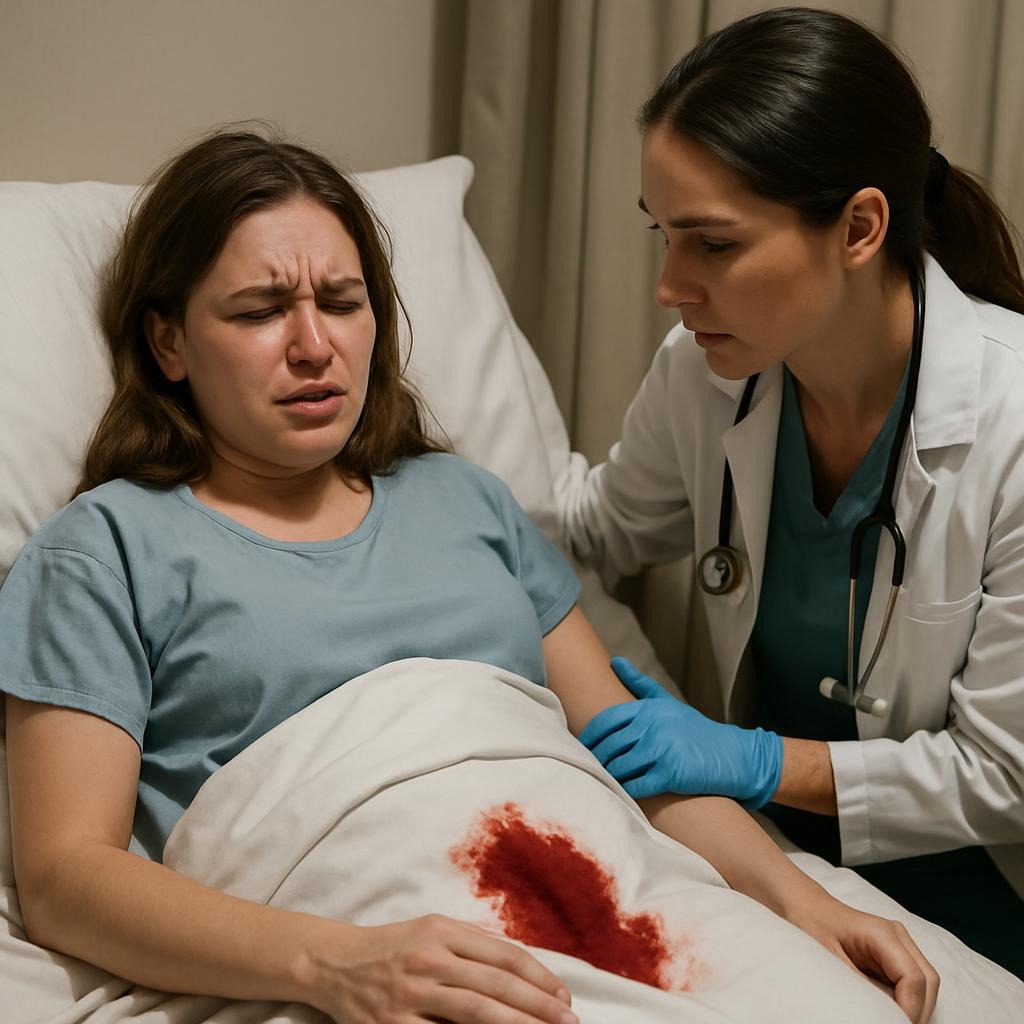
Around 73 million abortions occur each year globally, and approximately 45% are unsafe; unsafe abortion is a preventable cause of maternal death, with an estimated 29,000 deaths annually WHO Doctors Without Borders – USA.
Physical health risks focusing on unsafe abortion
Global deaths and immediate causes
- Annual deaths from unsafe abortion: An estimated 29,000 women and girls die each year due to unsafe abortion, a preventable contributor to maternal mortality Doctors Without Borders – USA.
Doctors Without Borders – USA - Four leading immediate causes of death:
Hemorrhage, severe infection/sepsis, organ injury (e.g., uterine perforation, bowel/bladder injury), and toxicity/poisoning from corrosive or harmful substances are among the most common immediate causes following unsafe abortion The Merck Manuals eMedicine MSI Reproductive Choices.
The Merck Manuals eMedicine MSI Reproductive Choices
Primary physical harms from untrained providers
- Key complications: Uterine perforation, cervical laceration, septic abortion (sepsis), damage to adjacent organs (bowel, bladder), disseminated intravascular coagulation (DIC), and retained products are documented harms when procedures are performed by unskilled individuals in non-sterile settings The Merck Manuals eMedicine.
The Merck Manuals eMedicine
Unsafe abortion prevalence under restrictive laws
- Share of unsafe abortions: Roughly 45% of abortions globally are unsafe; 97% of unsafe abortions occur in developing countries, where restrictive laws and limited access are common WHO Healthline.
WHO Healthline
Dangerous clandestine methods
- Harmful methods and substances: Reports document intravaginal potassium permanganate, herbal/household agents (e.g., soaps, aloe), and foreign object insertion, all associated with severe injury, hemorrhage, and infection ecronicon.net Wikipedia Amnesty International Australia.
ecronicon.net Wikipedia Amnesty International Australia
Incomplete abortion and subsequent risks
- Mechanism and risks: Retained tissue after abortion can cause heavy bleeding, infection, and if untreated, may progress to sepsis or pelvic inflammatory disease (PID), increasing risks of infertility and ectopic pregnancy NHS.
NHS
Long-term complications among survivors
- Chronic morbidity: Unsafe abortion contributes substantially to long-term pelvic infection, chronic pain, and organ damage, imposing sustained health burdens on women and health systems WHO.
WHO
Lack of post-abortion care in developing countries
- Access barriers: Studies across Burkina Faso, Kenya, and Nigeria show significant barriers to post-abortion care (PAC)—including shortages, stigma, and costs—which increase morbidity and mortality after unsafe procedures journals.plos.org.
journals.plos.org
Short-term complications even in safe care
- Potential short-term effects: Even medically safe abortions can involve heavy bleeding, infection (including sepsis), and uterine injury, with risk increasing with gestational age NHS.
NHS
PID and reproductive risks
- PID from untreated post-abortion infection: Yes. Untreated infection can lead to PID, raising risks of infertility and ectopic pregnancy NHS.
NHS
Psychological and emotional harms
Common emotional responses
- Typical reactions: Relief, sadness, grief, regret, anxiety, and mixed feelings are all reported; outcomes vary widely and are shaped by context and support Springer American Psychological Association.
Springer American Psychological Association
Stigma and distress
- Impact of stigma: Abortion stigma is associated with harmful psychosocial outcomes and worsened mental health, especially where restrictive laws amplify stigma and barriers Springer Springer.
Springer Springer
Post-Abortion Syndrome validity
- Diagnostic status: There is no globally recognized psychiatric diagnosis called “Post-Abortion Syndrome”; it is not in ICD or DSM, and its existence is not accepted in mainstream science Wikipedia.
Wikipedia
Coercion and psychological burden
- Effects of pressure: Evidence links pressure or coercion to poorer mental and emotional outcomes post-abortion, including elevated distress Congress.gov.
Congress.gov
Secrecy, isolation, and trauma
- Clandestine abortions: Secrecy and isolation required for unsafe procedures intensify emotional trauma, with research indicating trauma often stems from the hostile policy environment rather than the procedure itself Springer.
Springer
Lack of supportive counseling
- Recovery barriers: Limited access to legitimate post-abortion counseling and supportive environments can hinder recovery; guidance warns against crisis centers that spread disinformation Healthline.
Healthline
Potential long-term psychological effects
- Evidence landscape: While the APA summarizes that abortion itself is not linked to mental health problems overall, some meta-analyses and studies report associations in subsets (e.g., depression, anxiety, substance use), underscoring the role of risk factors like stigma and coercion American Psychological Association Lozier Institute.
American Psychological Association Lozier Institute
Long-term and societal consequences
Future infertility after safe abortion
- Evidence: Safe, medically provided abortions do not typically increase infertility risk; rare complications (e.g., Asherman syndrome from scarring) can affect fertility Healthline.
Healthline
Health system costs
- PAC costs: In developing countries, post-abortion care costs per patient ranged from I$334 to I$972, representing a significant share of annual per-capita income and straining public budgets JSTOR.
JSTOR
Global economic and social impact
- Macroeconomic burdens: Scoping reviews show substantial economic costs from unsafe abortion-related morbidity/mortality and policy restrictions, including lost productivity, household income losses, and broader social impacts journals.plos.org EconStor.
journals.plos.org EconStor
Long-term health complications
- Chronic harms: Severe complications from corrosive substances and unsafe methods can cause chronic pelvic pain, organ damage, and functional disability, contributing to long-term morbidity WHO ecronicon.net.
WHO ecronicon.net
Criminalization and post-abortion care
- Provider deterrence: Criminalization is associated with poorer quality care, lack of essential medicines, training barriers, and delays, which can discourage timely PAC and worsen outcomes BMJ Global Health.
BMJ Global Health
Impact on children and families
- After maternal death: Maternal death from unsafe abortion severely impacts children’s well-being, with cascading risks across health, nutrition, and survival in low-resource settings, reinforcing the importance of quality maternal care systems UNICEF DATA.
UNICEF DATA
Waiting periods and increased risk/cost
- Delays and later gestation: Mandatory waiting periods increase second-trimester abortions (by roughly 48–73% in one study), raising medical risk and cost due to later procedures National Bureau of Economic Research Gender Action Portal.
National Bureau of Economic Research Gender Action Portal
Systemic barriers even where legal
- Access hurdles: Cost, long travel distances, limited providers, and administrative barriers persist across Europe and beyond, undermining timely access to safe abortion even where legal Amnesty International Figo.
Amnesty International Figo
Legal, ethical, and human rights questions
Restrictive laws and unsafe abortion/maternal mortality
- Correlation: Restrictive laws correlate with higher unsafe abortion rates and worse maternal/infant outcomes, with evidence of increased maternal mortality in ban states and inequitable impacts WHO thegepi.org Commonwealth Fund.
WHO thegepi.org Commonwealth Fund
Denial of access and human rights
- Human rights frameworks: Denial of legal abortion can violate rights to life, health, non-discrimination, and bodily autonomy, with UN guidance calling for decriminalization and access consistent with human rights norms OHCHR Center for Reproductive Rights.
OHCHR Center for Reproductive Rights
Ethical concerns with dangerous methods
- Ethical imperatives: Use of non-medical personnel and dangerous methods causing preventable suffering and death raises serious ethical concerns across healthcare and public policy OJIN: The Online Journal of Issues in Nursing.
OJIN: The Online Journal of Issues in Nursing
Disproportionate impacts on marginalized groups
- Unequal burdens: Restrictive policies disproportionately harm marginalized women, including those with lower socioeconomic status or in rural areas, worsening health inequities and outcomes like infant mortality Johns Hopkins Bloomberg School of Public Health Journals at the University of Arizona.
Johns Hopkins Bloomberg School of Public Health Journals at the University of Arizona
Recommended measures to reduce unintended pregnancies
- Global guidance: Expand family planning and contraception access, addressing gaps and fear of side effects; UNFPA and WHO emphasize rights-based, voluntary contraception to reduce unintended pregnancies and unsafe abortion United Nations Population Fund WHO.
United Nations Population Fund WHO
Keywords
- Unsafe abortion, maternal mortality, hemorrhage, sepsis, uterine perforation, clandestine methods, incomplete abortion, PID, abortion stigma, human rights, criminalization, post-abortion care, contraception access, waiting periods, health system costs, infertility risk.
Documentary recommendations
| Title | Focus | Platform |
|---|---|---|
| The Janes | Underground abortion network pre-Roe; stigma and access | HBO |
| After Tiller | Late-term abortion care and ethics | Amazon |
| Vessel | Women on Waves: access in restrictive regions | Vimeo |
| Abortion: Stories Women Tell | Women’s narratives and barriers | HBO |
| Reversing Roe | Legal battles and policy impacts | Netflix |
Sources:
- The Janes: https://www.hbo.com/documentaries/the-janes
- After Tiller: https://www.amazon.com/After-Tiller-Martha-Shane/dp/B00H3QNJ4O
- Vessel: https://vimeo.com/ondemand/vesselthefilm
- Abortion: Stories Women Tell: https://www.hbo.com/documentaries/abortion-stories-women-tell
- Reversing Roe: https://www.netflix.com/title/80143648
Source links (by answer above)
- WHO abortion fact sheet: https://www.who.int/news-room/fact-sheets/detail/abortion WHO
- MSF unsafe abortion overview: https://www.doctorswithoutborders.org/latest/unsafe-abortion-preventable-danger Doctors Without Borders – USA
- Merck Manual—septic abortion: https://www.merckmanuals.com/professional/gynecology-and-obstetrics/early-pregnancy-disorders/septic-abortion The Merck Manuals
- Medscape—abortion complications: https://emedicine.medscape.com/article/795001-overview eMedicine
- Healthline—safe vs unsafe abortion; 97% statistic: https://www.healthline.com/health/safe-abortion Healthline
- Case reports on clandestine methods: https://ecronicon.net/assets/ecgy/pdf/ECGY-13-00998.pdf ecronicon.net; https://en.wikipedia.org/wiki/Unsafe_abortion Wikipedia
- Amnesty—Malawi unsafe method examples: https://www.amnesty.org.au/the-crisis-of-unsafe-abortion-in-malawi-when-human-rights-are-denied-women-and-girls-die/ Amnesty International Australia
- NHS—complications and PID risk: https://www.nhs.uk/tests-and-treatments/abortion/risks/ NHS
- PLOS—post-abortion care barriers: https://journals.plos.org/globalpublichealth/article?id=10.1371/journal.pgph.0001862 journals.plos.org
- APA—mental health evidence: https://www.apa.org/monitor/2022/09/news-facts-abortion-mental-health American Psychological Association
- Springer—emotions and trauma context: https://link.springer.com/chapter/10.1007/978-3-031-61453-8_7 Springer; https://link.springer.com/chapter/10.1007/978-3-031-61453-8_19 Springer
- Congress fact sheet—coercion and outcomes: https://www.congress.gov/118/meeting/house/116708/documents/HMKP-118-ED00-20240110-SD004.pdf Congress.gov
- Healthline—post-abortion counseling: https://www.healthline.com/health/post-abortion-counseling Healthline
- Lozier—meta-analysis summary (associations in subsets): https://lozierinstitute.org/fact-sheet-abortion-and-mental-health/ Lozier Institute
- Healthline—abortion and fertility: https://www.healthline.com/health/womens-health/can-abortion-cause-infertility Healthline
- JSTOR—PAC costs: https://www.jstor.org/stable/10.1363/intsexrephea.42.3.163 JSTOR
- PLOS One—macroeconomics of abortion: https://journals.plos.org/plosone/article?id=10.1371/journal.pone.0250692 journals.plos.org
- BMJ Global Health—criminalization’s effects: https://gh.bmj.com/content/7/12/e010409 BMJ Global Health
- UNICEF—maternal/newborn health systems: https://data.unicef.org/wp-content/uploads/2021/04/Report-AlignMNH-Final-19Apr.pdf UNICEF DATA
- NBER/Harvard—waiting period impacts: https://www.nber.org/system/files/working_papers/w26228/w26228.pdf National Bureau of Economic Research; https://gap.hks.harvard.edu/new-evidence-effects-mandatory-waiting-periods-abortion Gender Action Portal
- Amnesty Europe—access barriers: https://www.amnesty.org/en/latest/news/2025/11/europe-existing-barriers-to-abortion-access-compounded-by-alarming-attempts-to-roll-back-reproductive-rights/ Amnesty International
- FIGO—barriers and mortality share: https://www.figo.org/resources/figo-statements/addressing-barriers-safe-abortion Figo
- GEPI—maternal mortality with bans: https://thegepi.org/maternal-mortality-abortion-bans/ thegepi.org
- Commonwealth Fund—maternal/infant outcomes with restrictions: https://www.commonwealthfund.org/publications/issue-briefs/2022/dec/us-maternal-health-divide-limited-services-worse-outcomes Commonwealth Fund
- OHCHR—abortion and human rights guidance: https://www.ohchr.org/Documents/Issues/Women/WRGS/SexualHealth/INFO_Abortion_WEB.pdf OHCHR
- Center for Reproductive Rights—decriminalization fact sheet: https://reproductiverights.org/wp-content/uploads/2023/10/CRR_Decrimilization-of-Abortion-Factsheet_upl-10-19-23.pdf Center for Reproductive Rights
- UNFPA—family planning: https://www.unfpa.org/family-planning United Nations Population Fund
- WHO—unintended pregnancies tied to contraception gaps: https://www.who.int/news/item/25-10-2019-high-rates-of-unintended-pregnancies-linked-to-gaps-in-family-planning-services-new-who-study WHO
About the Author