I. Ideology and national security
- Document No. 9 and opposition to Western democracy
Document No. 9 continues to underpin CCP warnings against “Western constitutional democracy” and “universal values” by framing them as tools of Western ideological subversion, justifying tighter ideological control over media, education, and the internet as matters of national security and regime survival. Wikipedia
Source: https://en.wikipedia.org/wiki/Internet_censorship_in_China Wikipedia - “Western cultural infiltration” as unconventional security threat
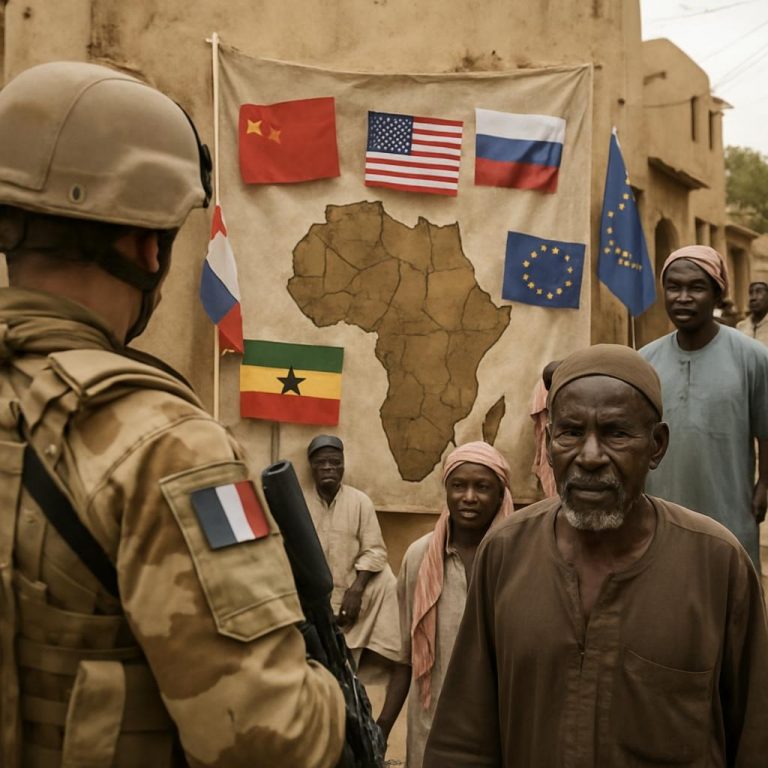
Under Xi, cultural and ideological security are folded into a holistic national security concept, where Western liberal ideas, NGOs, and media are treated as vectors of “peaceful evolution,” making “Western cultural infiltration” an unconventional but core security threat in national security discourse. Directory of Open Access Journals
Source: https://doaj.org/article/6dba5bb25b0a4263a8204eef745b2070 Directory of Open Access Journals - “Century of Humiliation” as psychological buffer
The “Century of Humiliation” narrative casts Western powers as historical aggressors, allowing the CCP to frame Western cultural imports as potential continuations of past domination and to legitimize selective resistance to Western norms in the name of national rejuvenation. Wikipedia
Source: https://en.wikipedia.org/wiki/Chinese_Dream Wikipedia - Global Civilization Initiative vs. “clash of civilizations”
The Global Civilization Initiative is promoted as an alternative to Western “clash of civilizations” thinking by emphasizing civilizational pluralism, mutual respect, and non-universalist values, aligning with broader efforts to present China as a defender of diversity against Western ideological hegemony. Springer
Source: https://link.springer.com/content/pdf/10.1007/s11366-020-09661-z.pdf Springer - “Cultural Powerhouse” in the 15th Five-Year Plan
The goal of building a “cultural powerhouse” (文化强国) in the 2026–2030 period is tied to raising the population’s “moral, scientific, and cultural standards” and strengthening socialist culture, as seen in new regulations like the Public Reading framework that explicitly link culture to national rejuvenation. The State Council of the People’s Republic of China
Source: https://english.www.gov.cn/policies/latestreleases/202512/17/content_WS6941fa8bc6d00ca5f9a08243.html The State Council of the People’s Republic of China - Useful Western technology vs. harmful Western values
The CCP distinguishes “useful” Western technology (to be absorbed and localized) from “harmful” Western political and cultural values (to be filtered), combining active tech acquisition with strict content and discourse control in cyberspace under the banner of “internet sovereignty.” Wikipedia
Source: https://en.wikipedia.org/wiki/Internet_censorship_in_China Wikipedia
II. Digital filtering and media regulation
- Algorithms and “Positive Energy” (正能量)
Chinese platforms are required to algorithmically amplify “positive energy” content—patriotic, orderly, pro-social narratives—while down-ranking or removing content seen as sensationalist, nihilistic, or politically sensitive, embedding ideological guidance directly into recommendation systems. Wikipedia
Source: https://en.wikipedia.org/wiki/Internet_censorship_in_China Wikipedia - Great Firewall as incubator for tech giants
By blocking major Western platforms, the Great Firewall created a protected market in which firms like Tencent and ByteDance could grow without foreign competition, while simultaneously enforcing political red lines through licensing, data control, and content censorship. Wikipedia
Source: https://en.wikipedia.org/wiki/Internet_censorship_in_China Wikipedia - Hollywood import quotas and ideological dilution
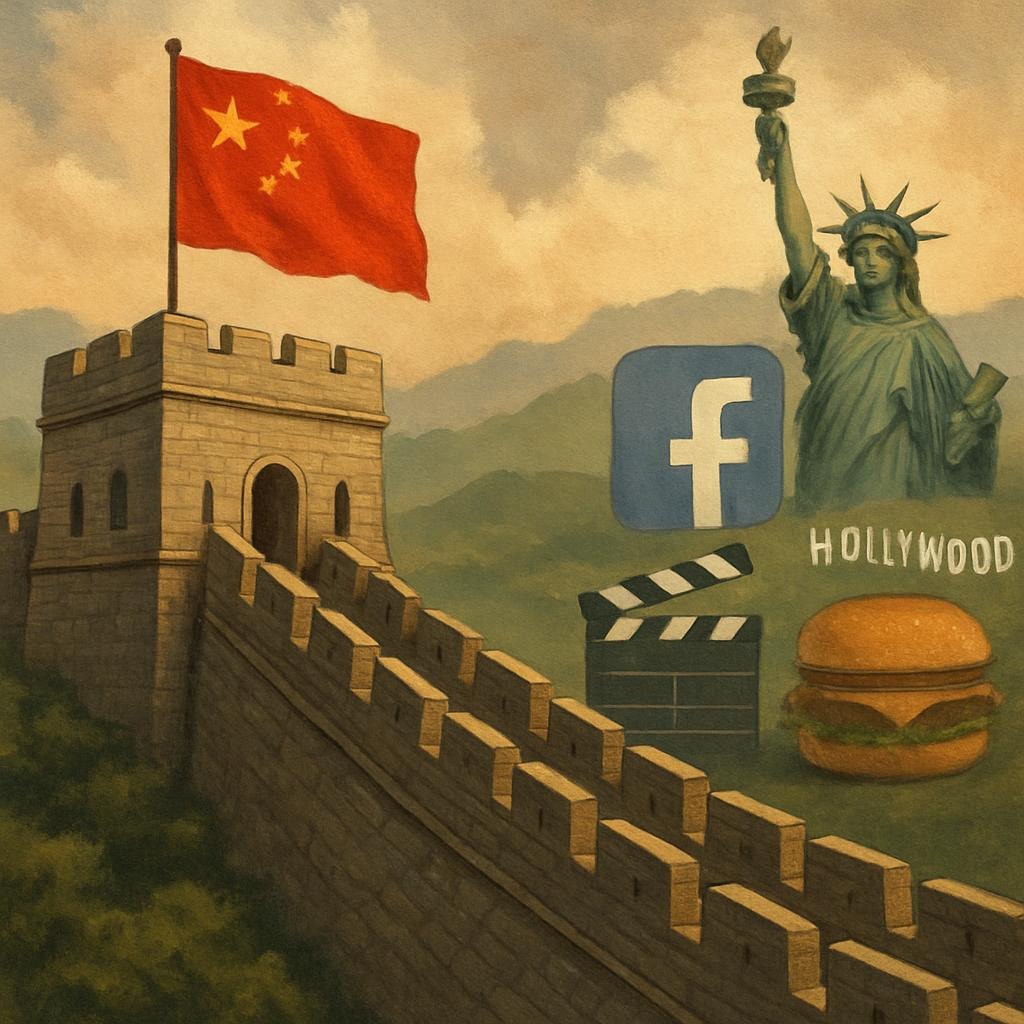
China maintains a quota system for foreign films, especially Hollywood productions, using content review and limited slots to ensure imported movies do not dominate screens or promote narratives deemed politically or culturally corrosive, thereby guarding against “ideological dilution.” Wikipedia
Source: https://en.wikipedia.org/wiki/Internet_censorship_in_China Wikipedia - “Clear Heart” (Qinglang) and fan-circle culture
The Qinglang campaigns target celebrity “fan circles” as chaotic, irrational, and overly commercial, imposing controls on fan fundraising, ranking lists, and online mobilization to curb what authorities describe as Western-style fandom disorder and to reassert socialist cultural norms. Wikipedia
Source: https://en.wikipedia.org/wiki/Internet_censorship_in_China Wikipedia - Depicting Western lifestyles in TV dramas
Regulators instruct producers to avoid glamorizing foreign luxury lifestyles, excessive consumption, or “decadent” values, and to foreground patriotic, family-oriented, and frugal themes; this aligns with broader moves to “correct aesthetics,” including bans on effeminate male images in entertainment. Yahoo News UK
Source: https://uk.news.yahoo.com/china-orders-broadcasters-ban-sissy-191634003.html Yahoo News UK - Restrictions on foreign journalists and NGOs
Foreign media and NGOs face visa controls, registration requirements, and national security scrutiny that limit their access to grassroots communities and constrain their ability to shape local discourse, reinforcing the state’s monopoly over politically sensitive cultural narratives. Wikipedia
Source: https://en.wikipedia.org/wiki/Internet_censorship_in_China Wikipedia
III. Education and youth development
- “Double Reduction” and private English tutoring
The 2021 “Double Reduction” policy banned for-profit tutoring in core subjects, devastating the private English-tutoring sector and shifting after-school learning back into state-controlled schools, reducing Western-linked commercial education channels. CNBC
Source: https://www.cnbc.com/2021/08/05/chinas-harsh-education-crackdown-sends-parents-businesses-scrambling.html CNBC - Ban on foreign textbooks in K–9
The Ministry of Education has prohibited primary and junior high schools from directly using overseas textbooks, insisting that compulsory education materials reflect Party and state will and be domestically produced or translated under Chinese control. opportunities-insight.britishcouncil.org AsiaNews
Source: https://opportunities-insight.britishcouncil.org/short-articles/news/chinese-ministry-of-education-re-emphasises-ban-overseas-teaching-materials opportunities-insight.britishcouncil.org - “Xi Jinping Thought” as ideological vaccine
“Xi Jinping Thought” is now integrated from primary school through university to “help teenagers establish Marxist beliefs” and cultivate patriotic “builders and successors of socialism,” functioning as a continuous ideological inoculation against liberal and Western political ideas. BBC en.tsinghua-tj.org
Source: https://www.bbc.com/news/world-asia-58301575 BBC - Restrictions on Western holidays like Christmas
Schools and local authorities increasingly discourage or ban Christmas celebrations, urging students to “be Chinese and celebrate Chinese festivals,” and framing Western holidays as foreign cultural infiltration that should be replaced by localized, patriotic alternatives. ChinaAid Asia Media Centre
Source: https://chinaaid.org/news/several-schools-and-businesses-in-china-called-for-a-boycott-of-christmas ChinaAid - Ban on “sissy men” (niangpao) and effeminate aesthetics
Broadcast regulators ordered TV and streaming platforms to “resolutely put an end to sissy men and other abnormal aesthetics,” linking masculine, patriotic imagery to national rejuvenation and treating effeminate styles—often associated with K‑pop and global pop culture—as corrosive imports. Yahoo News UK EDGE Media Network
Source: https://uk.news.yahoo.com/china-orders-broadcasters-ban-sissy-191634003.html Yahoo News UK - Re-aligning international schools toward national identity
Reforms of “non-traditional” international schools and broader citizenship education emphasize harmonizing any global citizenship content with Chinese cultural traditions and state policy, ensuring that global outlooks are subordinated to a strong Chinese national identity. Taylor & Francis Online ResearchGate
Source: https://www.tandfonline.com/doi/pdf/10.1080/02188791.2023.2186224 Taylor & Francis Online
IV. Aesthetic and social engineering
- Hanfu Movement as rejection of Western fashion hegemony
The Hanfu Movement, a grassroots revival of pre‑Qing Han clothing, has evolved into a cultural-nationalist trend that celebrates indigenous aesthetics and history, offering young consumers a proud alternative to Western fashion norms and reinforcing cultural confidence. Wikipedia SAGE Journals
Source: https://en.wikipedia.org/wiki/Hanfu_Movement Wikipedia - Restrictions on Western-sounding place names
Authorities have moved to eliminate “bizarre” and foreign names for residential compounds and buildings, arguing that such names damage sovereignty, national dignity, and traditional culture, and insisting on names aligned with socialist core values. Yahoo News Singapore South China Morning Post
Source: https://sg.news.yahoo.com/china-banish-bizarre-foreign-names-residential-compounds-120153320.html Yahoo News Singapore - Promotion of Traditional Chinese Medicine (TCM)
The state promotes TCM domestically and globally, integrating it with Western medicine in treating complex diseases and supporting WHO traditional medicine strategies, thereby elevating Chinese medical heritage as a civilizational resource that can rival Western biomedical authority. 国家卫生健康委员会 Wikipedia
Source: https://en.wikipedia.org/wiki/Traditional_Chinese_medicine Wikipedia - “National Tide” (Guochao) and consumer shifts
The Guochao trend reflects rising national pride and preference for domestic brands that embed Chinese cultural elements, leading many young consumers to favor companies like Li‑Ning or Anta over Nike and Adidas, and Chinese tech brands over Apple, especially after COVID‑era nationalism surged. Wikipedia IMD Business School
Source: https://en.wikipedia.org/wiki/Guochao Wikipedia - Public Reading Law (2026) and moral integrity
China’s new regulation on public reading, effective February 2026, aims explicitly to raise the population’s intellectual and moral standards, improve publishing quality, and strengthen content management in digital reading, embedding moral and ideological goals into reading policy. The State Council of the People’s Republic of China The State Council Information Office of China
Source: https://english.www.gov.cn/policies/latestreleases/202512/17/content_WS6941fa8bc6d00ca5f9a08243.html The State Council of the People’s Republic of China - Gaming clock and “spiritual opium”
Regulations limiting minors to a few hours of online gaming per week were justified as combating addiction and what state media called “spiritual opium,” framing foreign-influenced online games as a threat to youth health, study, and ideological focus. gameslearningsociety.org Game Developer
Source: https://www.gameslearningsociety.org/why-has-china-decided-to-reduce-gaming-for-people-under-the-age-of-18-to-3-hours-a-week gameslearningsociety.org
V. Global and economic shields
- Confucius Institutes exporting China’s narrative
Confucius Institutes and successor programs promote Chinese language and culture abroad, presenting a curated image of China that sidelines sensitive topics; critics argue they function as soft-power tools to shape discourse and preempt Western human-rights–focused critiques on host campuses. David Publishing Company Wikipedia
Source: https://en.wikipedia.org/wiki/Criticism_of_Confucius_Institutes Wikipedia - Belt and Road cultural exchange as non-Western bloc-building
BRI cultural initiatives invoke the “Silk Road Spirit” of mutual learning and emphasize cultural diplomacy, using exchanges, festivals, and heritage projects to deepen ties among participating states and gradually consolidate a cooperative, non-Western cultural sphere around Chinese narratives. onebeltoneroad.com Clausius Scientific Press
Source: http://onebeltoneroad.com/en/intro/arts-and-culture onebeltoneroad.com - Limiting foreign investment to preserve content sovereignty
Despite broader liberalization, China’s foreign investment regime maintains strict negative lists and national security reviews in sensitive sectors, including media and culture, ensuring that editorial control and key content platforms remain under domestic, Party-supervised ownership. Focus – China Britain Business Council
Source: https://focus.cbbc.org/what-are-the-restrictions-on-foreign-investment-in-china Focus – China Britain Business Council - Soft Power with Chinese Characteristics vs. American exports
China’s soft power strategy relies more on state-led media, development initiatives, and cultural diplomacy (e.g., BRI, language promotion) than on market-driven pop culture, seeking attraction through narratives of civilizational respect and South–South solidarity rather than Hollywood-style mass entertainment. Springer LinkedIn
Source: https://link.springer.com/content/pdf/10.1007/s11366-020-09661-z.pdf Springer - Digital Silk Road and exported filtering models
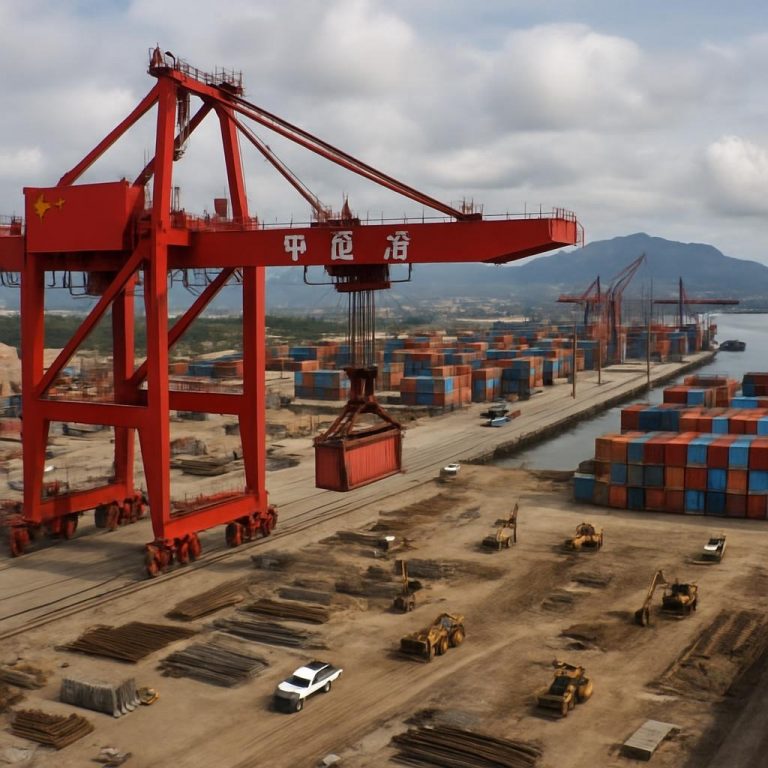
The Digital Silk Road extends Chinese-built digital infrastructure—5G, cables, data centers—to partner states, and rights groups warn it also exports China’s model of internet governance, including censorship, surveillance, and “cyber-sovereignty” norms that enable similar filtering systems abroad. Aljazeera Voice of America Wikipedia
Source: https://www.aljazeera.com/news/2024/5/2/china-trying-to-develop-world-built-on-censorship-and-surveillance Aljazeera - Great Rejuvenation and ending Western cultural hegemony
Xi’s “Great Rejuvenation of the Chinese Nation–Chinese Dream” is framed as both material and cultural: national security doctrine explicitly links rejuvenation to safeguarding ideological security and cultural confidence, implying that China’s rise requires resisting and partially displacing Western cultural dominance. China Focus Directory of Open Access Journals
Source: http://www.cnfocus.com/national-rejuvenation-explained China Focus
Keywords
Keywords: Document No. 9, ideological security, Western cultural infiltration, Century of Humiliation, Global Civilization Initiative, cultural powerhouse, Positive Energy algorithms, Great Firewall, Hollywood quotas, Qinglang campaign, foreign textbooks ban, Xi Jinping Thought curriculum, Christmas restrictions, niangpao ban, international schools, Hanfu Movement, Western-sounding names, Traditional Chinese Medicine, Guochao, Public Reading Law, gaming restrictions, Confucius Institutes, Belt and Road cultural exchange, foreign investment restrictions, soft power with Chinese characteristics, Digital Silk Road, Great Rejuvenation of the Chinese Nation.
About the Author