Trump’s Executive Order 14199 Pulls U.S. from 66 “Wasteful or Harmful” International Organizations
I. General scope and policy rationale
- Triggering Executive Order / Memorandum
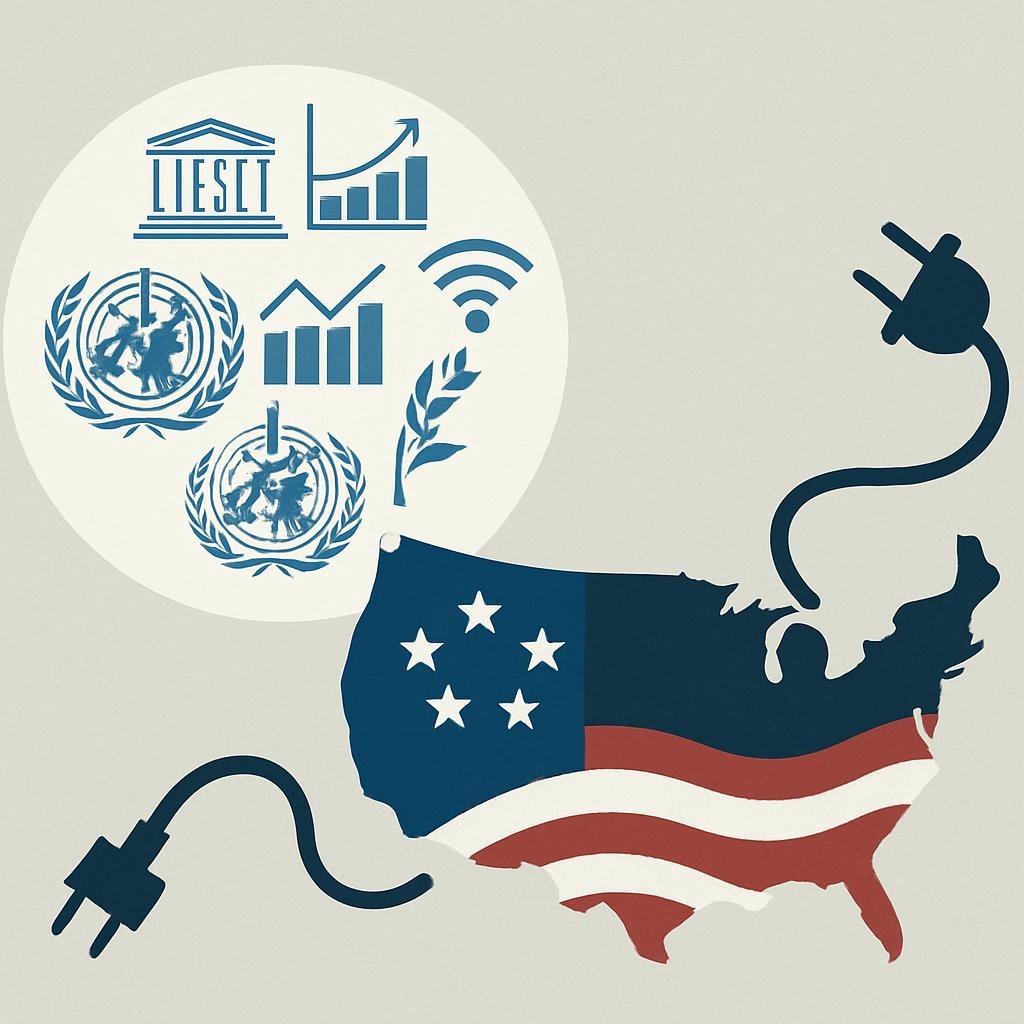
The withdrawals stem from President Trump’s implementation of Executive Order 14199, followed by a presidential memorandum directing agencies to leave 66 organizations after a State Department review led by Secretary of State Marco Rubio. U.S. Department of State Fox News
Source: https://www.state.gov/releases/office-of-the-spokesperson/2026/01/withdrawal-from-wasteful-ineffective-or-harmful-international-organizations - Distinction between 31 UN entities and 35 non‑UN organizations
The memorandum explicitly applies to 31 United Nations entities and 35 non‑UN bodies, treating UN‑affiliated agencies (e.g., UNFCCC, IPCC, UN Women) as one category and independent or treaty‑based bodies (e.g., ISA, IUCN) as another for purposes of funding and participation cuts. Fox News DW
Source: https://www.foxnews.com/politics/trump-orders-us-withdrawal-from-66-wasteful-global-organizations-sweeping-america-first-crackdown - Criteria for “wasteful” or “harmful”
The State Department describes targeted organizations as “redundant in their scope, mismanaged, unnecessary, wasteful, poorly run, captured by the interests of actors advancing their own agendas contrary to our own, or a threat to our nation’s sovereignty, freedoms, and general prosperity.” U.S. Department of State The Guardian Nigeria
Source: https://www.state.gov/releases/office-of-the-spokesperson/2026/01/withdrawal-from-wasteful-ineffective-or-harmful-international-organizations - Scale compared to previous exits (WHO, UNESCO, etc.)
Reporting characterizes this as one of the most extensive single retrenchments from multilateral bodies in modern U.S. history, far exceeding earlier withdrawals from individual organizations like WHO or UNESCO because it targets 66 bodies at once across climate, human rights, trade, and security domains. DW GG2 Newsweek
Source: https://www.dw.com/en/trump-withdraws-us-from-66-international-organizations/a-75427108 - Role of Secretary of State Marco Rubio
Rubio led the review mandated by Executive Order 14199, produced the list of “wasteful, ineffective, or harmful” organizations, and his findings formed the basis of Trump’s memorandum; he publicly defended the move using the “redundant, mismanaged, wasteful, captured by other actors” language. U.S. Department of State Capital FM Fox News
Source: https://www.capitalfm.co.ke/news/2026/01/trump-orders-u-s-withdrawal-from-66-international-organizations-redirects-funds-to-domestic-priorities
II. Climate and environmental impact
- Legal significance of leaving UNFCCC vs. Paris Agreement
The UNFCCC is the framework treaty underpinning the Paris Agreement; withdrawing from the UNFCCC means stepping away from the legal architecture and conference process that hosts and implements Paris, going beyond the earlier U.S. exit from the Paris Agreement alone and weakening any formal role in future climate negotiations under that treaty system. The Guardian Nigeria DW
Source: https://guardian.ng/news/world/us/full-list-trump-withdraws-us-from-31-un-organisations-35-others - Impact of exiting the IPCC on U.S. access to climate data
Leaving the IPCC ends U.S. participation and funding in the UN’s main scientific climate assessment body, likely reducing U.S. influence over assessment reports and limiting direct institutional access and leadership roles—though U.S. scientists can still use publicly available IPCC data and publications. DW Capital FM
Source: https://www.dw.com/en/trump-withdraws-us-from-66-international-organizations/a-75427108 - Why the International Solar Alliance (ISA) was included
The ISA, led by India and France, is listed among the organizations the administration views as misaligned with U.S. priorities and part of “radical climate” or energy agendas; it is grouped with other climate‑focused bodies the administration labels wasteful or ideologically driven. GG2 Capital FM
Source: https://www.gg2.net/trump-pulls-us-from-66-international-organizations - Implications of exiting IUCN for biodiversity conservation
Withdrawal from the International Union for Conservation of Nature (IUCN) reduces U.S. engagement in global red‑list assessments, protected‑area standards, and conservation policy forums, weakening U.S. ability to shape biodiversity norms and coordinate conservation strategies with other states and NGOs. DW Newsweek
Source: https://www.dw.com/en/trump-withdraws-us-from-66-international-organizations/a-75427108 - SPREP and Indo‑Pacific strategy
Exiting the Secretariat of the Pacific Regional Environment Programme (SPREP) signals a deprioritization of regional environmental cooperation in the Pacific, potentially undercutting U.S. soft power and climate diplomacy in a region where environmental issues are central to Pacific Island states’ security and where China has been expanding its presence. DW Newsweek
Source: https://www.dw.com/en/trump-withdraws-us-from-66-international-organizations/a-75427108
III. UN entities and social initiatives
- Defunding UNFPA and global maternal health
The withdrawal from and defunding of the UN Population Fund (UNFPA) is expected to constrain programs providing maternal health care, family planning, and reproductive health services in low‑ and middle‑income countries, especially where UNFPA is a primary provider of obstetric care and contraceptive supplies. The Guardian Nigeria Newsweek
Source: https://guardian.ng/news/world/us/full-list-trump-withdraws-us-from-31-un-organisations-35-others - UN Women programs cited as contrary to U.S. interests
The administration criticizes UN Women as advancing agendas on gender equality, reproductive rights, and “gender ideology” it views as inconsistent with U.S. sovereignty and domestic policy preferences, grouping it among entities promoting social policies the administration opposes. Newsweek U.S. Department of State
Source: https://www.newsweek.com/donald-trump-withdraws-us-organizations-full-list-11326908 - Targeting the UN Alliance of Civilizations
The UN Alliance of Civilizations, focused on intercultural and interfaith dialogue, is labeled by the administration as ideologically driven and not delivering concrete benefits, and thus “unnecessary” or “wasteful”; its defunding signals reduced U.S. investment in UN‑led interfaith diplomacy platforms. U.S. Department of State Newsweek
Source: https://www.state.gov/releases/office-of-the-spokesperson/2026/01/withdrawal-from-wasteful-ineffective-or-harmful-international-organizations - Impact of exiting UN‑Habitat on urban development standards
Leaving UN‑Habitat diminishes U.S. participation in setting global norms on sustainable cities, housing, and urban planning, potentially limiting U.S. influence over standards that affect infrastructure, resilience, and SDG‑related urban policy worldwide. DW Newsweek
Source: https://www.dw.com/en/trump-withdraws-us-from-66-international-organizations/a-75427108 - Permanent Forum on People of African Descent and DEI stance
The administration’s withdrawal from the Permanent Forum on People of African Descent is framed within its broader rejection of what it calls “DEI mandates” and identity‑based multilateral initiatives, signaling opposition to UN mechanisms focused specifically on racial justice and systemic discrimination. Newsweek U.S. Department of State
Source: https://www.newsweek.com/donald-trump-withdraws-us-organizations-full-list-11326908
IV. Economic and financial implications
- Estimated “taxpayer treasure” saved annually
Public reporting and the State Department statement emphasize cost savings and redirecting funds to domestic priorities, but as of now no precise aggregate annual savings figure has been officially released; coverage simply notes that dues and voluntary contributions to the 66 bodies will cease. Capital FM U.S. Department of State
Source: https://www.capitalfm.co.ke/news/2026/01/trump-orders-u-s-withdrawal-from-66-international-organizations-redirects-funds-to-domestic-priorities - Impact on SMEs from leaving the International Trade Centre (ITC)
Exiting the International Trade Centre (ITC) removes a key multilateral platform that supports export promotion, trade intelligence, and capacity‑building for small and medium‑sized enterprises, likely reducing U.S. SMEs’ access to ITC tools and joint programs designed to help firms enter developing and emerging markets. The Guardian Nigeria Newsweek
Source: https://guardian.ng/news/world/us/full-list-trump-withdraws-us-from-31-un-organisations-35-others - International Cotton Advisory Committee (ICAC) inclusion and cotton trade
The International Cotton Advisory Committee is included among bodies deemed redundant or misaligned with U.S. interests; withdrawal may limit U.S. participation in shared market data, research, and policy coordination on cotton, potentially affecting how U.S. producers engage in global cotton‑market discussions. The Guardian Nigeria Newsweek
Source: https://guardian.ng/news/world/us/full-list-trump-withdraws-us-from-31-un-organisations-35-others - Financial risks of losing a seat at UNCTAD
Leaving the UN Conference on Trade and Development (UNCTAD) reduces U.S. influence over global trade and development policy debates, including rules and norms that can shape investment climates and market access, which may carry long‑term financial and strategic costs despite short‑term savings on dues. DW Newsweek
Source: https://www.dw.com/en/trump-withdraws-us-from-66-international-organizations/a-75427108 - Funding the UN regular budget vs. sub‑entities
The State Department statement and reporting indicate that the U.S. is targeting specific agencies and organizations, not announcing a complete halt to the core UN regular budget, suggesting Washington will continue paying assessed contributions to the UN itself while cutting support to the 31 listed UN entities and 35 other bodies. U.S. Department of State DW
Source: https://www.state.gov/releases/office-of-the-spokesperson/2026/01/withdrawal-from-wasteful-ineffective-or-harmful-international-organizations
V. Security and geopolitical fallout
- Global Counterterrorism Forum (GCTF) and coordination with allies
Withdrawal from the Global Counterterrorism Forum reduces U.S. participation in a key multilateral platform for sharing best practices and coordinating non‑military counterterrorism efforts, potentially complicating joint initiatives with European and other partners that rely on GCTF frameworks. DW Newsweek
Source: https://www.dw.com/en/trump-withdraws-us-from-66-international-organizations/a-75427108 - Regional implications of exiting the Peacebuilding Commission and Fund
Leaving the UN Peacebuilding Commission and Peacebuilding Fund weakens U.S. involvement in post‑conflict stabilization, institution‑building, and prevention efforts, especially in fragile states where these mechanisms coordinate donor support and political strategies, thereby ceding influence to other major contributors. DW Newsweek
Source: https://www.dw.com/en/trump-withdraws-us-from-66-international-organizations/a-75427108 - International Residual Mechanism for Criminal Tribunals and war‑crimes cooperation
Exiting the International Residual Mechanism for Criminal Tribunals may complicate U.S. cooperation on evidence sharing, witness support, and political backing for prosecutions linked to the former Yugoslavia and Rwanda tribunals, though bilateral and ad hoc cooperation channels can still exist outside formal membership. DW Newsweek
Source: https://www.dw.com/en/trump-withdraws-us-from-66-international-organizations/a-75427108 - Reactions from G7 and EU allies
Coverage notes sharp criticism from climate experts and former officials, and European partners are described as viewing the move as a serious setback for multilateralism and climate cooperation, particularly due to the UNFCCC and IPCC exits; EU and G7 states are reported as concerned about U.S. retreat from shared institutions. The Guardian Nigeria DW Newsweek
Source: https://guardian.ng/news/world/us/full-list-trump-withdraws-us-from-31-un-organisations-35-others - Potential power vacuum and China’s role
Analysts quoted in reporting warn that U.S. withdrawal creates space for other powers—especially China—to expand influence within these organizations by increasing funding, leadership bids, and agenda‑setting roles in areas like climate, development, and trade. DW Newsweek
Source: https://www.dw.com/en/trump-withdraws-us-from-66-international-organizations/a-75427108
VI. Legal and future outlook
- Legality of withdrawing from Senate‑ratified treaties like UNFCCC via executive action
The move raises contested constitutional questions: while the administration asserts the president can terminate U.S. participation and funding through executive action, many legal scholars argue that withdrawing from a Senate‑ratified treaty like the UNFCCC without Senate involvement is constitutionally disputed and could be challenged politically or in court (though courts have historically been reluctant to intervene).
Source: General treaty‑law analysis; see context of UNFCCC withdrawal reporting: https://guardian.ng/news/world/us/full-list-trump-withdraws-us-from-31-un-organisations-35-others - Timeline for “orderly withdrawal” of U.S. personnel
The memorandum instructs agencies to cease participation and funding “as soon as possible” and to conduct an orderly withdrawal of U.S. personnel, but no detailed public timeline is given; implementation will depend on each organization’s rules and existing U.S. staffing arrangements. Fox News U.S. Department of State
Source: https://www.foxnews.com/politics/trump-orders-us-withdrawal-from-66-wasteful-global-organizations-sweeping-america-first-crackdown - How a future administration could rejoin
A future administration could reapply for membership, restore funding, and re‑accept treaty obligations where applicable—often via executive action and diplomatic notification, though in the case of treaty‑based bodies like the UNFCCC, it might also seek renewed Senate engagement to solidify the legal basis for re‑entry.
Source: General practice on rejoining international organizations; see context of prior U.S. re‑entries (e.g., Paris Agreement) discussed in climate‑policy reporting: https://www.dw.com/en/trump-withdraws-us-from-66-international-organizations/a-75427108 - Organizations spared and the “à la carte” approach
The State Department notes that review of additional organizations is ongoing, implying that some bodies—especially those seen as directly serving U.S. security or economic interests—were spared for now; this selective targeting reflects an “à la carte” multilateralism, keeping institutions viewed as useful while cutting those seen as ideological or redundant. U.S. Department of State Newsweek
Source: https://www.state.gov/releases/office-of-the-spokesperson/2026/01/withdrawal-from-wasteful-ineffective-or-harmful-international-organizations - Impact on U.S. standing in the UN General Assembly
The mass withdrawal is widely interpreted as damaging to U.S. credibility and leadership in the UN system, likely reducing Washington’s ability to build coalitions and shape resolutions in the UN General Assembly, especially on climate, development, human rights, and social‑policy issues where many of the affected bodies operate. DW Newsweek
Source: https://www.newsweek.com/donald-trump-withdraws-us-organizations-full-list-11326908
Keywords
Keywords: Executive Order 14199, U.S. withdrawal, 66 international organizations, UNFCCC, IPCC, UN Women, UNFPA, IUCN, SPREP, International Solar Alliance, Global Counterterrorism Forum, Peacebuilding Commission, UNCTAD, International Trade Centre, International Cotton Advisory Committee, Permanent Forum on People of African Descent, multilateralism, America First, Marco Rubio, U.S. treaty withdrawal, UN General Assembly, climate diplomacy, global governance.
About the Author