Education and academia
1. Confucius Institutes: language teaching vs. academic freedom
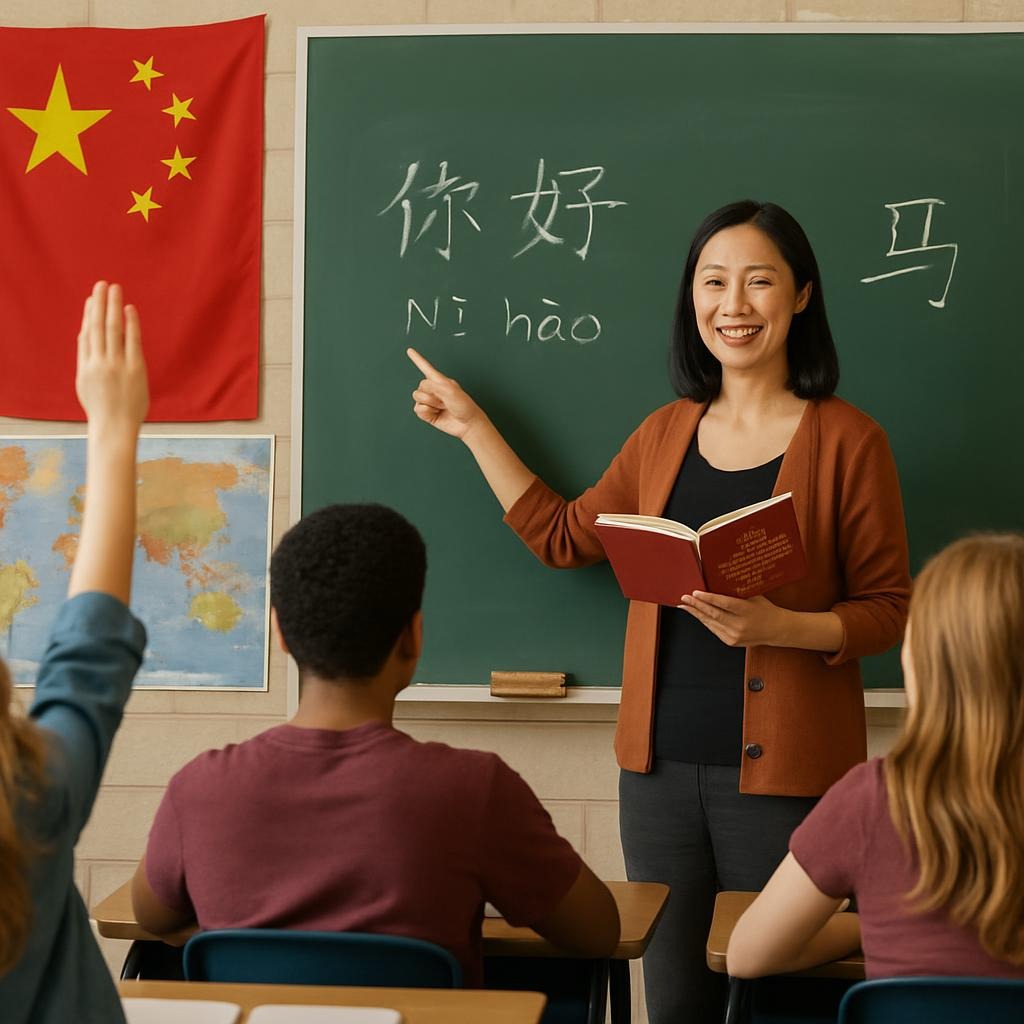
Confucius Institutes (CIs) officially promote Chinese language and culture, but their funding and staff are tied to China’s government, creating structural incentives to avoid sensitive topics like Tibet, Taiwan, or Tiananmen in curricula and events. Many Western universities try to ring‑fence CIs as purely language centers while keeping China‑related research and teaching under separate, university‑controlled structures, yet critics argue that the mere presence of a state‑linked institute on campus chills debate and incentivizes self‑censorship.
Source: Criticism of Confucius Institutes – Wikipedia (en.wikipedia.org in Bing)
2. Chinese students abroad and university willingness to criticize Beijing
The large influx of fee‑paying Chinese students has made some U.S. and European universities financially dependent on this cohort, which can create reluctance to host events or speakers perceived as hostile to Beijing. Reports by academic‑freedom organizations describe instances where universities canceled talks with Taiwanese, Tibetan, or Uyghur activists amid concerns about protests, diplomatic complaints, or reputational damage in China, though other institutions have resisted such pressures. Overall, the effect is uneven but real: not so much major curriculum rewrites, but subtle risk‑aversion around politically sensitive China content.
Source: Human Rights Watch – “China: Government Threats to Academic Freedom Abroad” (hrw.org in Bing)
3. Stricter vetting of partnerships and IP risks
Given documented cases of intellectual property theft, undisclosed ties to Chinese institutions, and export‑control breaches, most Western research agencies now recommend or require stricter due diligence for partnerships with state‑linked entities. The aim is to distinguish legitimate collaboration from arrangements that could channel dual‑use technologies or research data into Chinese military‑civil fusion programs. Stricter vetting is justified, but it works best when it is risk‑based and transparent rather than blanket suspicion of all Chinese partners.
Source: EU Commission – “Tackling R&I foreign interference” guidelines (research-and-innovation.ec.europa.eu in Bing)
4. Chinese funding and the soft‑power landscape in higher education
Chinese funding—through CIs, endowed chairs, and research collaborations—has embedded China as a major soft‑power player on Western campuses, complementing more traditional academic diplomacy by the U.S. and Europe. This funding buys agenda‑setting power over what is studied, which exchanges are prioritized, and which topics are framed as “sensitive,” even if outright censorship is not formalized. At the same time, public scandals and subsequent closures of many CIs have made this soft power more contested and visible, prompting universities to diversify funding sources and scrutinize conditions more closely.
Digital media and technology
5. TikTok: cultural export or strategic influence tool?
TikTok undeniably exports Chinese‑owned platform culture—short‑form video aesthetics, music trends, and creator economies—but its recommendation algorithm also gives its owner significant leverage over what Western youth see or don’t see. Governments in the U.S. and Europe worry less about overt propaganda and more about the platform’s opaque ability to amplify or down‑rank content about elections, protests, geopolitics, or China itself, combined with data‑access concerns. In practice, it functions as both a cultural export and a potentially strategic tool of narrative shaping, which is why regulators are pushing for local data rules, transparency, or even divestment.
Source: U.S. Congressional Research Service – “TikTok: National Security Concerns, and Policy Options” (crsreports.congress.gov in Bing)
6. Shein, Temu, and the reshaping of Western consumer culture
Ultra‑cheap, ultra‑fast Chinese platforms such as Shein and Temu accelerate a “disposable fashion” mindset, encouraging constant micro‑purchases, trend churn, and a normalization of extremely low price points. This undermines efforts in Europe and North America to promote slower, more sustainable consumption and puts pressure on competitors to cut costs, sometimes at the expense of labor and environmental standards. Environmental groups highlight the platforms’ opaque supply chains and massive logistics footprint as directly at odds with emerging EU circular‑economy and due‑diligence regulations.
Source: European Parliament – “Fast fashion: the environmental impact of textile consumption in the EU” (europarl.europa.eu in Bing)
7. Chinese gaming companies and embedded values
Chinese giants like Tencent and MiHoYo typically localize games heavily for global markets, avoiding overt propaganda while embedding more subtle patterns: strong emphasis on order, group cohesion, and sanitized depictions of sensitive topics. Games are often self‑censored on issues Beijing deems problematic—such as references to Taiwan, Tibet, or politically controversial symbolism—to comply with Chinese regulations and keep access to the home market. The result is less the export of explicitly “Chinese” ideology and more the global normalization of Beijing’s red lines about what is too sensitive to depict.
Source: German Marshall Fund – “China’s Influence on the Video Game Industry” (gmfus.org in Bing)
8. Cultural implications of the Digital Silk Road
The “Digital Silk Road” extends China’s Belt and Road Initiative into telecom networks, data centers, smart‑city systems, and cloud services worldwide. As European and American users rely more on Chinese hardware and platforms, they also inherit embedded technical standards, data‑governance norms, and in some cases surveillance‑friendly architectures that reflect Beijing’s vision of “cyber sovereignty.” Over time, this can shift global debates about privacy, internet freedom, and platform governance toward models more tolerant of state control and content regulation.
Source: Carnegie Endowment – “China’s Digital Silk Road” (carnegieendowment.org in Bing)
Entertainment and the arts
9. Hollywood’s storytelling under the shadow of the Chinese box office
To retain access to China’s lucrative box office, Hollywood studios routinely pre‑emptively avoid plots or characters critical of the Chinese state, the PLA, or Beijing’s core narratives. Examples include script changes, altered villains, self‑censorship on topics like Xinjiang or Hong Kong, and the insertion of “friendly” Chinese characters or institutions. This doesn’t mean all stories are dictated by China, but the possibility of being denied release has become a powerful, often invisible constraint on mainstream blockbusters.
Source: PEN America – “Made in Hollywood, Censored by Beijing” (pen.org in Bing)
10. Chinese protagonists and landmarks: globalization or state‑driven?
The growing presence of Chinese heroes, brands, and skylines in Western films partly reflects market realism—China is a huge audience and setting stories there can boost global appeal. But state‑linked co‑production rules, content regulations, and investment conditions also incentivize flattering depictions of China and discourage politically uncomfortable narratives. So the trend is both organic globalization and shaped by state‑driven gatekeeping: access to capital and distribution often hinges on showing China as modern, responsible, and non‑controversial.
Source: USC US‑China Institute – “Chinese Investment in Hollywood” (china.usc.edu in Bing)
11. C‑dramas and Wuxia vs. the Korean Wave
The Korean Wave (Hallyu) has visibly transformed Western pop culture through K‑pop, K‑dramas, and fashion; Chinese dramas and Wuxia have grown globally but remain more niche in the West. C‑dramas benefit from platforms like Netflix and Viki and have built dedicated fandoms, yet linguistic barriers, censorship constraints, and less coordinated state‑industry marketing have limited their mainstream penetration compared to Korea’s tightly managed cultural export strategy. China’s impact is rising, but it hasn’t (yet) redefined Western pop culture the way Hallyu has.
Source: OECD – “The Korean Wave: A New Pop Culture Phenomenon” (oecd.org in Bing)
12. Chinese sponsorship of Western museums and heritage sites
Chinese corporations and philanthropies fund exhibitions, restorations, and new wings, which can bring much‑needed resources to underfunded cultural institutions. However, museum ethics bodies warn that large foreign sponsors may expect soft influence over exhibit narratives, collection loans, or how sensitive issues—like looted artifacts or modern Chinese politics—are framed. Western museums should therefore apply strict transparency and governance rules to Chinese sponsorships, not reject them outright but ensure curatorial independence is non‑negotiable.
Source: International Council of Museums (ICOM) – “Museum Ethics: Sponsorship and Public Trust” (icom.museum in Bing)
Economy and urban landscapes
13. Chinese ownership of iconic real estate and city identity
Chinese firms have acquired stakes in landmark hotels, office towers, and real‑estate brands in cities like New York, London, and Paris, often as part of global diversification strategies. On the surface, daily urban life changes little, but symbolic ownership can prompt debates about who “owns” the city and whether key sites should be vulnerable to geopolitical leverage or capital flight. Cultural identity shifts less through visible Sinicization and more through the normalization of Chinese capital as a permanent, powerful stakeholder in Western urban futures.
Source: Rhodium Group – “Chinese Investment in Europe and North America” (rhg.com in Bing)
14. Belt and Road in Europe and possible cultural shifts
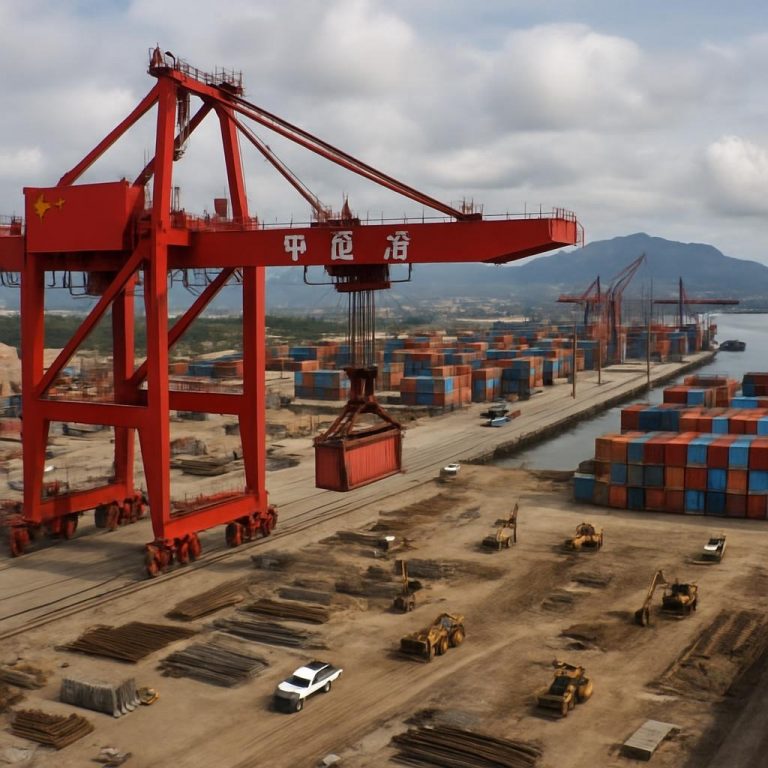
China’s Belt and Road Initiative (BRI) projects in Eastern and Southern Europe—ports, railways, energy infrastructure—strengthen economic ties and increase elite‑level exposure to Chinese narratives about development and governance. This can translate into more sympathetic diplomatic positions toward Beijing within certain political and business circles, but it has not yet produced wholesale shifts away from EU norms or democratic structures. Instead, BRI tends to create pockets of influence and policy fragmentation, which Beijing can leverage, rather than a full “Eastern‑centric” governance model.
Source: European Court of Auditors – “The EU’s response to China’s Belt and Road Initiative” (eca.europa.eu in Bing)
15. The evolving idea of “Chinatown”
Traditional Chinatowns emerged as migrant enclaves shaped by exclusion and self‑help; today, many are being re‑branded as tourist destinations, heritage zones, and sites of officially promoted “Chinese culture.” Chinese local and central authorities sometimes treat overseas Chinatowns as soft‑power assets, supporting festivals, business associations, and language programs that present a curated, de‑politicized image of China. The result is a hybrid space: still diasporic and local, but increasingly entangled with state‑backed cultural diplomacy and tourism strategies.
Source: Zhou, M. – “Contemporary Chinese Diasporas” in (academic.oup.com in Bing)
Values and geopolitics
16. “East rising, West declining”: narrative and self‑fulfilling risks
Beijing promotes the idea that “the East is rising and the West is declining” to boost domestic confidence and international prestige, pointing to China’s economic growth and political stability relative to Western crises. If Western elites internalize this narrative, it can become self‑fulfilling by fostering fatalism, under‑investment in renewal, or over‑accommodation of Beijing’s preferences. But the reality remains contested: China faces deep structural challenges, and Western societies retain major strengths, so the narrative is as much a political tool as an objective diagnosis.
Source: Lowy Institute – “The East is Rising, the West is Declining? China’s Narrative Power” (lowyinstitute.org in Bing)
17. Harmony and collective responsibility vs. individualism and liberal democracy
Chinese political discourse emphasizes “harmonious society” and collective responsibility, often justifying limits on speech or protest in the name of social stability and national rejuvenation. Western liberal traditions prioritize individual rights, pluralism, and institutionalized dissent, accepting a certain level of conflict as the price of freedom. When China promotes its model abroad, the challenge is less philosophical debate in universities than the demonstration effect: some leaders see China’s blend of economic dynamism and tight control as an attractive alternative to messy liberal democracy.
Source: Daniel A. Bell – (press.princeton.edu in Bing)
18. “Cultural invasion”: security concern or Yellow Peril redux?
Fears of “Chinese cultural invasion” reflect genuine concerns about espionage, data security, and covert influence operations, which Western intelligence agencies have documented in some cases. But the same language easily slides into older “Yellow Peril” tropes that cast all Chinese people and culture as inherently subversive, fueling discrimination against students, researchers, and diaspora communities. Distinguishing targeted, evidence‑based counter‑espionage from broad cultural panic is crucial to protect both security and liberal principles.
Source: Australian Strategic Policy Institute – “The Chinese Communist Party’s Covert Influence in the West” (aspi.org.au in Bing)
19. Diaspora navigation of heritage and suspicion
Chinese diaspora communities in the West are internally diverse in class, generation, and politics, but they are often treated monolithically in public debate. Many face a double bind: pressure from Chinese state‑linked organizations to participate in “united front” activities, and suspicion from Western media or security services that they might be agents of influence. Individuals respond by emphasizing local civic engagement, cross‑ethnic coalitions, and explicit statements of political independence—trying to celebrate heritage without being reduced to an extension of any state.
Source: Journal of Contemporary China – “The Chinese Diaspora, Nationalism, and the United Front” (tandfonline.com in Bing)
20. Building Western “cultural resilience” without isolationism
Western states can strengthen cultural resilience by investing in independent media, arts, and education; mandating transparency for foreign funding and content partnerships; and teaching critical media literacy from an early age. Instead of banning Chinese heritage, governments can protect space for pluralistic Chinese voices—including dissidents, minorities, and critical artists—so that “China” in the public sphere is not synonymous with the Chinese state. The goal is an open but robust ecosystem: one that welcomes exchange, resists covert manipulation, and treats Chinese culture as part of a wider, contested global conversation.
Source: NATO StratCom COE – “Resilience and Strategic Communications” (stratcomcoe.org in Bing)
Keywords
Keywords: China soft power, Confucius Institutes, academic freedom, Chinese students abroad, TikTok influence, Digital Silk Road, Shein, Temu, Chinese gaming companies, Hollywood China censorship, Chinese dramas, Wuxia, Belt and Road Europe, Chinese real estate investment, Chinatown diplomacy, harmony vs individualism, cultural invasion, Yellow Peril, Chinese diaspora, cultural resilience, information warfare, narrative power.
About the Author