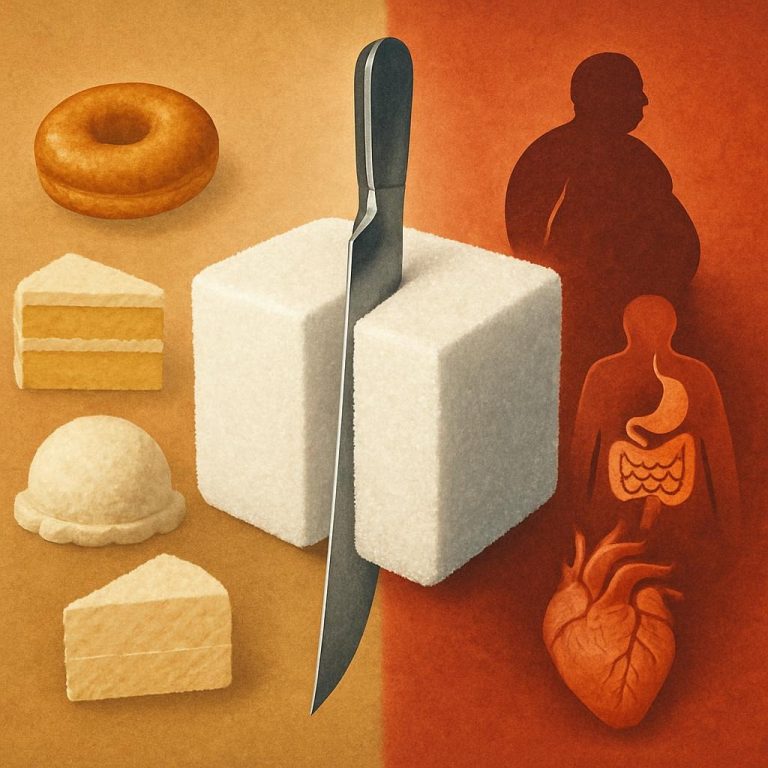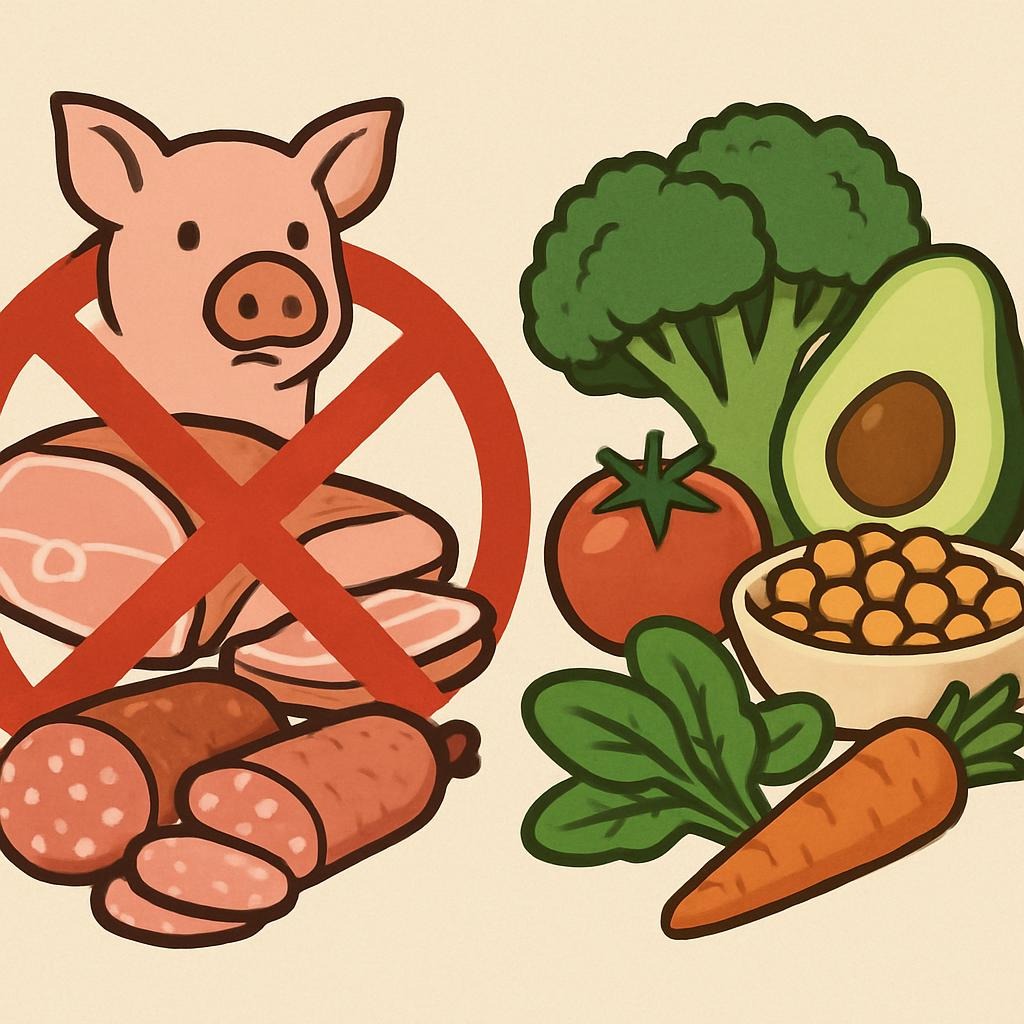
From Trichinosis to Turkey Bacon: 30 Evidence‑Based Answers on Pork Risks, Processed Meats, and Healthier Alternatives
Part 1: Pathogens, toxins, and biological risks
1. Risks of trichinosis from undercooked pork
Trichinosis (trichinellosis) is caused by Trichinella larvae in raw or undercooked meat, historically including pork and wild boar. WHO After ingestion, larvae invade the intestinal wall causing gastrointestinal symptoms, then migrate into skeletal muscle where they encyst, leading to fever, periorbital swelling, and intense muscle pain and weakness. MSD Manuals MedLink Neurology Severe infections can involve the heart and central nervous system, causing myocarditis, encephalitis, or neurologic complications that can be life‑threatening. MSD Manuals MedLink Neurology
Source: CDC – Trichinellosis overview
https://www.cdc.gov/dpdx/trichinellosis/index.html CDC
2. Yersinia enterocolitica and pork‑linked digestive illness
Yersinia enterocolitica causes yersiniosis, an enteric infection characterized by diarrhea, abdominal pain, and sometimes fever, especially in children. CDC Cleveland Clinic Pigs are the main reservoir for pathogenic Y. enterocolitica, and infection is often linked to raw or undercooked pork, making pork a key vehicle compared with other meats. CDC European Centre for Disease Prevention and Control Poor processing hygiene and fecal contamination during slaughter and handling amplify the risk of pork‑borne transmission to humans. National Institute of Food and Agriculture MDPI
Source: CDC – About Yersinia infection
https://www.cdc.gov/yersinia/about/index.html CDC
3. Pork and Hepatitis E (HEV)
In industrialized countries, zoonotic Hepatitis E (mainly genotype 3) is frequently linked to pigs and wild boar; HEV is often detected in raw pork liver and liver pâté products. Frontiers Centers for Disease Control and Prevention Outbreak investigations have traced acute hepatitis E cases to consumption of undercooked pig‑liver sausages (e.g., figatelli) where infectious HEV was shown to remain viable. Centers for Disease Control and Prevention MDPI The main risk is foodborne transmission leading to acute hepatitis, which can be severe in people with chronic liver disease and pregnant women, so thorough cooking of liver and sausages is essential. Springer foodpoisoningnews.com
Source: CDC Emerging Infectious Diseases – HEV in pork liver sausage
https://wwwnc.cdc.gov/eid/article/19/2/pdfs/12-1255.pdf Centers for Disease Control and Prevention
4. Taenia solium (pork tapeworm) and neurocysticercosis
Taenia solium is the pork tapeworm; eating undercooked infected pork causes intestinal taeniasis with adult worms in the gut. CDC MSD Manuals Neurocysticercosis, however, occurs when humans ingest T. solium eggs from human fecal contamination (or via autoinfection), not from cysticerci in pork; eggs hatch in the intestine, larvae penetrate the wall, and disseminate via the bloodstream to tissues including brain. Wikipedia MSD Manuals The Merck Manuals In the CNS these larval cysts provoke seizures, headaches, hydrocephalus, and other neurological deficits, making neurocysticercosis a major cause of acquired epilepsy worldwide. Wikipedia The Merck Manuals
Source: MSD Manual – Taenia solium infection and cysticercosis
https://www.merckmanuals.com/professional/infectious-diseases/cestodes-tapeworms/taenia-solium-pork-tapeworm-infection-and-cysticercosis The Merck Manuals
5. Ochratoxin A in pigs and nephrotoxic effects
Ochratoxin A (OTA) is a mycotoxin produced by certain Aspergillus and Penicillium species that contaminate animal feeds; pigs ingesting contaminated feed can accumulate OTA in tissues, and residues can carry over into pork products (kidneys, liver, cured meats). MDPI Animal Sciences & Industry Directory of Open Access Journals OTA is primarily nephrotoxic: in pigs it impairs kidney function, reduces growth, and causes pale, enlarged kidneys, and in animals and humans it shows nephrotoxic, hepatotoxic, neurotoxic, genotoxic, and carcinogenic properties, leading to its classification as “possibly carcinogenic to humans” (Group 2B). World Health Organization (WHO) Animal Sciences & Industry Directory of Open Access Journals Chronic low‑level human exposure is a concern where OTA‑contaminated pork and cereals are major dietary sources. MDPI Directory of Open Access Journals
Source: “Ochratoxin A in Slaughtered Pigs and Pork Products” – Toxins
https://www.mdpi.com/2072-6651/14/2/67 MDPI
6. “Superbugs” and antibiotic use in pig farming
Intensive pig production often relies on high antibiotic use, which selects for resistant bacteria such as ESBL‑producing E. coli and livestock‑associated MRSA that can be found in pigs and on pork meat. MDPI pdfs.semanticscholar.org These resistant bacteria can enter the food chain, posing a zoonotic risk through handling or consumption of contaminated pork and complicating treatment of human infections. World Animal Protection Frontiers Reviews from the EU show widespread detection of ESBL‑producing E. coli along the pig and pork production chain, highlighting the contribution of pig farming to the broader antimicrobial‑resistance problem. MDPI pdfs.semanticscholar.org
Source: ESBL‑producing E. coli in pigs and pork meat – Antibiotics
https://www.mdpi.com/2079-6382/9/10/678 MDPI
7. Pig digestion, “scavenger” myths, and toxin buildup in fat
Pigs are omnivores with a monogastric (single‑stomach) digestive system, broadly similar in structure to humans, adapted to enzymatic digestion in the stomach and small intestine with additional fermentation in the large intestine. biologyinsights.com Svineproduktion.dk While pigs can consume varied feed, commercial pork production uses controlled diets and standard growth periods; there is no evidence that a “rapid” digestive cycle inherently causes unusual toxin accumulation in fat beyond what is seen in other livestock, assuming safe feed and environment. Cambridge University Press & Assessment Svineproduktion.dk Contaminants such as mycotoxins or heavy metals reach pig tissues mainly through contaminated feed or environment, not because pigs are “scavengers” per se. MDPI MDPI
Source: “The digestive system of the pig” – Danish Pig Production
https://svineproduktion.dk/-/media/PDF/Services/Undervisningsmateriale/Laerebog_fysiologi/Chapter-5.pdf Svineproduktion.dk
8. African swine fever (ASF) and pork supply safety
ASF is a highly contagious viral disease of domestic and wild pigs, with very high mortality but no infection risk to humans. Texas A&M NRI Springer However, ASF outbreaks devastate pig herds and disrupt trade, causing major reductions in pork supply and volatility in global markets, as seen in Europe and China, with large‑scale culling and export bans. Texas A&M NRI Frontiers USDA ERS While properly processed meat from ASF‑infected pigs is not considered a direct human health hazard, biosecurity measures, movement restrictions, and trade disruptions can affect availability, price, and sometimes traceability and confidence in pork products. Frontiers Springer
Source: Texas A&M NRI – African swine fever and global pork production
https://nri.tamu.edu/blog/2024/april/african-swine-fever-negatively-impacts-global-pork-production/ Texas A&M NRI
9. Heavy metals in pork from industrial environments
Heavy metals like lead, cadmium, and mercury enter the food chain from environmental contamination of soil, water, and feed; they can accumulate in animal tissues including meat and organs. European Food Safety Authority bundesumweltministerium.de Surveys of fresh meat in China, including pork, found low average concentrations of metals such as Hg and Pb and overall low estimated health risk, but they still recommend regular monitoring, especially in industrialized regions. Nature Reviews across Asia highlight meat as a potential source of toxic trace elements, though levels vary by region and farming practices, underscoring the importance of regulatory limits and feed control. MDPI advetresearch.com
Source: “Metals as contaminants in food” – EFSA
https://www.efsa.europa.eu/en/topics/topic/metals-contaminants-food European Food Safety Authority
10. Uric acid, purines in pork, and gout/kidney stone risk
Purines in foods are metabolized to uric acid; high intake of purine‑rich foods (including red meat such as pork and organ meats) is associated with higher uric acid levels and increased risk of gout and uric‑acid kidney stones. UPMC HealthBeat Cleveland Clinic Guidance for low‑purine diets recommends limiting red meat and organ meats to help reduce serum uric acid and prevent recurrent gout flares and stones. UPMC HealthBeat The Kidney & Hypertension Center The National Kidney Foundation For people with gout, heavy pork consumption is discouraged, while small portions of leaner cuts and overall moderation may be acceptable within a medically supervised diet plan. Verywell Health Cleveland Clinic
Source: Cleveland Clinic – Gout low‑purine diet
https://my.clevelandclinic.org/health/treatments/22548-gout-low-purine-diet Cleveland Clinic
Part 2: Chronic disease and processed derivatives
11. Nitrosamines from cured pork and cancer risk
Nitrosamines form when nitrites/nitrates used to cure meats like bacon and ham react with amines in meat proteins, especially at high cooking temperatures such as frying or grilling. foodsafety.institute biologyinsights.com Risk assessments of nitrosamines in bacon have estimated a small but measurable additional lifetime cancer risk from typical consumption, given that many nitrosamines are genotoxic carcinogens in experimental models. Food Safety and Inspection Service foodsafety.institute Regulatory limits and manufacturing changes aim to keep nitrosamine levels low, but minimizing high‑temperature frying and overall processed‑meat intake further reduces exposure. Food Standards Agency Food Standards Scotland
Source: USDA FSIS – Cancer risk from nitrosamines in pork bacon
https://www.fsis.usda.gov/sites/default/files/media_file/2020-07/nitrosamine-risk-assessment.pdf Food Safety and Inspection Service
12. Processed pork and colorectal cancer (WHO Group 1)
The WHO’s International Agency for Research on Cancer (IARC) classified processed meat (including bacon, ham, sausages, and other cured pork products) as “carcinogenic to humans” (Group 1), based on sufficient evidence that its consumption causes colorectal cancer. IARC WHO Processed meat is defined as meat transformed by salting, curing, fermentation, smoking, or similar methods, and epidemiological analyses of over 800 studies showed a dose‑response relationship between processed‑meat intake and colorectal and some other cancers. IARC The Lancet europarl.europa.eu This classification reflects strength of evidence, not size of risk, but supports recommendations to limit processed pork and other processed meats in cancer‑prevention diets. nutritionsource.hsph.harvard.edu WHO
Source: WHO/IARC press release on red and processed meat
https://www.iarc.who.int/wp-content/uploads/2018/07/pr240_E.pdf IARC
13. Saturated fat in pork and LDL cholesterol
Pork fat contains a mix of saturated and unsaturated fats; depending on the cut, roughly 40% of lard is saturated and about 48% monounsaturated, with the rest polyunsaturated. biologyinsights.com MDPI Saturated fats from animal products (beef, lamb, higher‑fat pork cuts, butter, lard) raise LDL (“bad”) cholesterol, a major risk factor for cardiovascular disease, while unsaturated fats (from fish, nuts, olive oil) are associated with more favorable lipid profiles. American Heart Association Mayo Clinic Health System Lean pork cuts can have fat and cholesterol levels closer to lean beef or poultry, but overall, replacing pork fat and other animal saturated fats with plant oils is recommended to reduce LDL cholesterol and cardiovascular risk. dietaryfiberfood.com American Heart Association
Source: American Heart Association – “The skinny on fats”
https://www.heart.org/en/health-topics/cholesterol/prevention-and-treatment-of-high-cholesterol-hyperlipidemia/the-skinny-on-fats American Heart Association
14. “Meat glue” (transglutaminase/fibrin) and bacterial risk
“Meat glue” usually refers to transglutaminase, an enzyme (sometimes marketed as Activa) used to bind small pieces of meat into larger, uniform portions, while some products (e.g., Fibrimex) use fibrin from animal blood as a binder. GMO SCIENCE Das Bundesinstitut für Risikobewertung When multiple small pieces are re‑formed, any surface bacteria can end up in the interior of the “steak,” so if consumers cook it rare as if it were an intact muscle cut, there is a higher risk that internal pathogens survive. Healthline Das Bundesinstitut für Risikobewertung Regulatory opinions note that transglutaminase itself does not appear to pose a direct toxic hazard to healthy consumers, but correct labeling, handling, and thorough cooking are critical to control bacterial risks and avoid misleading quality claims. Healthline Das Bundesinstitut für Risikobewertung
Source: German BfR – Transglutaminase in meat products
https://www.bfr.bund.de/cm/349/transglutaminase-in-meat-products.pdf Das Bundesinstitut für Risikobewertung
15. L‑cysteine and animal sources
L‑cysteine (additive E920) is an amino acid used as a dough conditioner to soften dough and improve bread volume and shelf‑life. Foodcom S.A. Historically it was often produced from human hair or animal feathers; more recent industry sources include duck or chicken feathers and synthetic production, though some non‑EU markets may still use hair‑derived material. The Vegetarian Resource Group humanmaterialloop.com For consumers avoiding animal‑derived ingredients, checking labels for E920 and contacting manufacturers is necessary, as regulations and sourcing practices vary by region. Food Research Foodcom S.A.
Source: Foodcom – L‑cysteine (E920) overview
https://foodcom.pl/en/term-e/e920/ Foodcom S.A.
16. Pork gelatin hidden in common foods
Gelatin is produced by boiling animal skin, bones, and connective tissue; pork skin and bones are a common industrial source. redtablemeats.com easyhealthyfoods.com Pork‑derived gelatin frequently appears (often just labeled “gelatin”) in products like gummy candies, marshmallows, some low‑fat or “light” yogurts, certain desserts, capsules for vitamin supplements, and some processed dairy products. redtablemeats.com Chowhound thekitchentoday.com For people avoiding pork for religious, ethical, or allergy reasons, careful label reading and seeking “gelatin‑free,” “vegan,” or “plant‑based” alternatives (or products specifying bovine or fish gelatin instead) is important. redtablemeats.com Price of Meat
Source: “What foods contain pork gelatin?”
https://redtablemeats.com/fresh-meat/pork/what-foods-contain-pork-gelatin/ redtablemeats.com
17. Health effects of lard versus olive oil
Lard (rendered pork fat) is pure fat, typically about 48% monounsaturated, 40% saturated, and 12% polyunsaturated, with no fiber or carbohydrate. biologyinsights.com Olive oil, especially extra‑virgin, is also rich in monounsaturated fat but much lower in saturated fat, and its use in place of saturated fats is consistently associated with lower LDL cholesterol and reduced cardiovascular risk in observational and interventional studies. Mayo Clinic Health System Victor Chang Cardiac Research Institute Major cardiac and public‑health bodies recommend limiting saturated fats like lard and choosing unsaturated fats such as olive or canola oil for heart health. Mayo Clinic Health System Victor Chang Cardiac Research Institute
Source: Mayo Clinic – “Fast facts on fats and heart health”
https://www.mayoclinichealthsystem.org/hometown-health/speaking-of-health/fast-facts-on-fats-and-heart-health Mayo Clinic Health System
18. Porcine rennet in cheese and digestion
Traditional animal rennet is a complex of enzymes (mainly chymosin, plus pepsin and lipase) derived from the stomachs of ruminant calves, lambs, or kids and is used to coagulate milk in cheesemaking. Wikipedia McGill University While porcine rennet is less common than bovine, some cheeses may use animal enzymes broadly labeled as “animal rennet” or “animal enzymes,” and these proteins function similarly to gastric enzymes in aiding milk curdling and digestion. Wikipedia healthcareconsultantsusa.com Number Analytics For people avoiding certain animal species or all animal enzymes (e.g., for religious or vegetarian reasons), selecting cheeses labeled with “microbial” or “vegetarian” rennet is the safer option; for digestion, the impact of rennet source is generally minor compared with overall fat and lactose content.
Source: Wikipedia – Rennet
https://en.wikipedia.org/wiki/Rennet Wikipedia
19. High sodium in cured pork and blood pressure
Cured pork products such as bacon, salami, pepperoni, and many sausages typically contain very high sodium levels, often hundreds of milligrams per serving, to ensure preservation and flavor. Food Standards Scotland UCLA Health High sodium intake is strongly linked to elevated blood pressure and increased risk of cardiovascular disease; processed meats combine excess salt with saturated fat and sometimes nitrites, making them particularly adverse for heart and vascular health. UCLA Health nutritioncrown.com Springer Large analyses show processed meat consumption is more strongly associated with cardiovascular events than equivalent amounts of unprocessed meat or poultry, supporting advice to limit these items, especially in people with hypertension. UCLA Health Verywell Health University of Oxford
Source: UCLA Health – Processed meats and heart health
https://www.uclahealth.org/news/article/the-effects-of-processed-meats-on-your-heart-health UCLA Health
20. Arachidonic acid in pork and inflammation
Arachidonic acid is an omega‑6 polyunsaturated fatty acid abundant in animal products such as meat and eggs; it is stored in cell membranes and converted into eicosanoids (prostaglandins, leukotrienes, thromboxanes) that can have pro‑ or anti‑inflammatory effects. Tuscany Diet Diets high in arachidonic acid from meat and low in omega‑3 fatty acids are thought to favor a more pro‑inflammatory milieu, potentially contributing to conditions characterized by chronic inflammation, including some forms of arthritis and cardiovascular disease. mgiclinic.com Tuscany Diet While evidence is nuanced and also depends on overall dietary pattern, reducing high‑fat meat (including pork) and increasing omega‑3‑rich foods is commonly recommended to help modulate systemic inflammation. thekitchentoday.com mgiclinic.com
Source: Tuscany Diet – Arachidonic acid and inflammation
https://www.tuscany-diet.net/lipids/fatty-acids/arachidonic-acid/ Tuscany Diet
Part 3: Healthier alternatives and substitutes
21. Turkey bacon versus pork bacon
Turkey bacon is made from processed turkey meat and usually has fewer calories and less total fat per serving than traditional pork bacon, though it often contains more sodium to compensate for flavor and texture. Food Struct redtablemeats.com biologyinsights.com Typical comparisons show two slices of turkey bacon at roughly 60 calories and about 4–5 g fat versus 80–150 calories and 6–12 g fat for pork bacon, depending on brand and preparation. Stephanie Kay Nutrition redtablemeats.com biologyinsights.com Both are processed meats (often with added nitrites), so from a cancer‑prevention perspective, they should be limited; turkey bacon is “better” mainly in terms of calories and fat, not necessarily overall healthfulness.
Source: Kay Nutrition – Pork bacon vs. turkey bacon
https://kaynutrition.com/pork-bacon-vs-turkey-bacon/ Stephanie Kay Nutrition
22. Benefits of jackfruit as “pulled pork”
Young (unripe) jackfruit has a fibrous, stringy texture that shreds and absorbs sauces, making it a popular plant‑based stand‑in for pulled pork in tacos, sandwiches, and curries. Number Analytics TexasRealFood Nutritionally, jackfruit is low in fat and cholesterol‑free, providing carbohydrates, some protein, potassium, vitamin C, and dietary fiber, which supports digestion and heart health. Calories-Info.Com Cleveland Clinic Using jackfruit instead of pork dramatically reduces saturated fat and eliminates dietary cholesterol, though it does not match meat’s protein density, so additional protein sources may be needed in the meal. Calories-Info.Com Cleveland Clinic
Source: Cleveland Clinic – Jackfruit: what it is and why it’s healthy
https://health.clevelandclinic.org/what-is-jackfruit-and-is-it-healthy Cleveland Clinic
23. Agar‑agar versus gelatin as a plant‑based gelling agent
Agar‑agar is a gelling agent extracted from red algae (seaweed); unlike gelatin, which is animal collagen–derived, agar is entirely plant‑based and suitable for vegetarians and vegans. capecrystalbrands.com ingreland.com Agar forms a firmer gel that sets at higher temperatures and remains stable at room temperature, whereas gelatin melts at lower temperatures and yields a softer, elastic texture. capecrystalbrands.com fnp-gelatin.com ingreland.com From a health and ethical standpoint, agar avoids animal by‑products and can be used in desserts, jellies, and confectionery as a cleaner, plant‑based substitute for pork or bovine gelatin.
Source: Cape Crystal Brands – Agar‑agar vs gelatin
https://www.capecrystalbrands.com/blogs/cape-crystal-brands/agar-agar-vs-gelatin capecrystalbrands.com
24. Mushrooms as a pork‑texture and umami replacement
Many mushrooms, especially king oyster and shiitake, have a firm, chewy texture and strong umami flavor that can mimic aspects of meatiness in dishes like stir‑fries, stews, and “pulled” preparations. Frontiers Shroomer Reviews highlight mushrooms’ high content of protein relative to other vegetables, B vitamins, some vitamin D, fiber, and bioactive compounds with antioxidant and anti‑inflammatory properties, making them attractive components of plant‑forward diets. Frontiers Springer While they don’t match meat’s protein density, they provide savory depth with very low saturated fat, helping reduce reliance on pork while keeping dishes satisfying. Springer Oxford Academic TexasRealFood
Source: Frontiers in Nutrition – Mushrooms as next‑generation meat analogues
https://www.frontiersin.org/articles/10.3389/fnut.2025.1638121/full Frontiers
25. Seitan (“wheat meat”) compared to pork protein
Seitan is made from wheat gluten and has a dense, chewy texture resembling meat; it is high in protein and low in fat and carbohydrates. EatingWell GoodRx Analyses show seitan’s protein content can approach that of meat per 100 g, though it lacks some essential amino acids found in animal proteins and is unsuitable for people with celiac disease or gluten sensitivity. kitchenfiftyseven.com Springer GoodRx As a pork substitute, seitan offers concentrated protein with minimal saturated fat and cholesterol, but attention to amino‑acid balance and micronutrients (e.g., iron, B12) is still needed in a fully plant‑based diet.
Source: EatingWell – “What is seitan and is it healthy?”
https://www.eatingwell.com/article/8050521/what-is-seitan-and-is-it-healthy/ EatingWell
26. Avocado as a healthier fat than lard
Avocados are rich in monounsaturated fats, fiber, potassium, and vitamins, and contain no cholesterol, sodium, or trans fat. The Kitchen Community California Avocados Using mashed avocado in place of butter or solid animal fats in baking or spreads reduces saturated fat intake and adds fiber and micronutrients, which support heart and metabolic health. The Kitchen Community liptouchfoods.com mindfullybaked.com Guidance from avocado producers and nutrition sources commonly suggests a 1:1 substitution in many baked goods, though texture and flavor may change slightly.
Source: California Avocado Commission – Avocados as butter or fat substitute
https://californiaavocado.com/nutrition/avocados-as-butter-or-fat-substitute/ California Avocados
27. Legumes as sustainable protein alternatives
Legumes like lentils and chickpeas are excellent sources of plant protein, complex carbohydrates, fiber, and micronutrients, with very low saturated fat and no cholesterol. MDPI Reviews identify legumes as key foods for sustainable diets, as their protein has a much lower environmental footprint than beef and pork, and they contribute beneficially to glycemic control and cardiovascular risk factors. wiley.com MDPI amazingfoodanddrink.com Lentils can provide around 18 g protein per cooked cup and up to about 25% protein by dry weight—similar to lean beef on a percentage basis—making them a credible, safer alternative protein for many people reducing red meat. wiley.com Tasting Table
Source: MDPI Nutrients – “Legumes: A vehicle for transition to sustainability”
https://www.mdpi.com/2072-6643/16/1/98 MDPI
28. Wild‑caught fish, omega‑3s, and inflammation versus pork
Long‑chain omega‑3 fatty acids (EPA and DHA) from fatty fish have well‑documented anti‑inflammatory effects and are associated with reduced risk of inflammatory diseases and cardiovascular events. Springer Oxford Academic Office of Dietary Supplements (ODS) In contrast, high intakes of omega‑6–derived arachidonic acid from meat can favor production of more pro‑inflammatory eicosanoids if not balanced by omega‑3s. Tuscany Diet European Review Substituting some pork meals with wild‑caught oily fish (e.g., salmon, mackerel, sardines) increases omega‑3 intake and can help shift the dietary fat pattern toward one that modulates inflammation and supports heart health. Springer Science Publishing Group Oxford Academic
Source: NIH ODS – Omega‑3 fatty acids fact sheet
https://ods.od.nih.gov/factsheets/Omega3FattyAcids-HealthProfessional/ Office of Dietary Supplements (ODS)
29. “Clean” dough improvers instead of animal‑derived L‑cysteine
In response to consumer demand for “clean label” products, many bakeries are replacing chemical emulsifiers and L‑cysteine with enzyme‑based dough improvers (e.g., lipases, oxidases, amylases) derived from microbial or fungal sources. Lesaffre bakeryinsider.com novonesis.com These enzymes strengthen gluten, improve fermentation, and extend shelf‑life while allowing shorter, simpler ingredient lists without animal‑derived additives. Lesaffre BAKERpedia biolaxienzymes.com To identify such breads, consumers can look for labels that omit E920/L‑cysteine and other “chemical‑sounding” conditioners and instead mention enzymes or explicitly promote “enzyme‑based,” “clean label,” or “vegan” formulations. bakeryinsider.com BAKERpedia novonesis.com
Source: Lesaffre – Replacing emulsifiers with enzymes for clean‑label dough
https://lesaffrebaking.com/replacing-emulsifiers-with-enzymes-for-clean-label-cost%e2%80%91effective-dough-improvement/ Lesaffre
30. Mediterranean diet, reduced pork, and longevity markers
The Mediterranean diet emphasizes vegetables, fruits, whole grains, legumes, nuts, seeds, and olive oil, with modest fish and poultry and limited red and processed meat (including pork). Oxford Academic Mayo Clinic Diet Extensive cohort studies and randomized trials show this pattern improves blood pressure, LDL cholesterol, and cardiovascular outcomes, and is associated with lower all‑cause mortality compared with Western diets higher in red and processed meats. cardiovascularbusiness.com Oxford Academic MDPI Even versions that include small amounts of lean red meat still show cardiovascular benefits when overall diet quality remains Mediterranean‑style, suggesting that replacing frequent pork with nuts, seeds, legumes, and lean poultry meaningfully improves heart‑health markers and likely longevity. cardiovascularbusiness.com Nature Mayo Clinic Diet
Source: Mayo Clinic Diet – Mediterranean diet for heart health
https://diet.mayoclinic.org/us/blog/2025/mediterranean-diet-for-heart-health-lower-blood-pressure-ldl-and-stroke-risk/ Mayo Clinic Diet
Keywords
General:
pork safety; processed meat; zoonotic infections; nitrosamines; colorectal cancer; saturated fat; arachidonic acid; omega‑3; clean label; Mediterranean diet
Pathogens and toxins:
trichinosis; Trichinella spiralis; Yersinia enterocolitica; yersiniosis; Hepatitis E virus; HEV‑3; Taenia solium; neurocysticercosis; ochratoxin A; mycotoxins; ESBL E. coli; MRSA CC398; African swine fever; heavy metals; cadmium; lead; mercury; purines; gout
Processed pork and additives:
processed meat Group 1 carcinogen; nitrates; nitrites; nitrosamines; bacon; ham; salami; pepperoni; lard; transglutaminase; meat glue; fibrin; L‑cysteine (E920); pork gelatin; animal rennet; sodium; hypertension; cardiovascular disease
Alternatives and substitutes:
turkey bacon; jackfruit pulled pork; agar‑agar; mushroom meat analogues; seitan; wheat gluten; legumes; lentils; chickpeas; avocado fat substitute; extra‑virgin olive oil; wild‑caught fish; EPA; DHA; plant‑based diet
About the Author